Inside NASA's Dryden Test Range: Tracking Flight and Space Missions
NASA's Armstrong Flight Research Center in Edwards, California, is the hub for cutting-edge aeronautics and space technology testing. Behind many of these efforts lies the Dryden Aeronautical Test Range (DATR), a vital facility that provides communications, radar, telemetry, and video services essential for safe and successful missions. From supporting the International Space Station to enabling experimental aircraft like the X-59, the DATR ensures real-time data and situational awareness. Below, we answer key questions about this critical range and its operations.
What is the Dryden Aeronautical Test Range and what role does it play at NASA Armstrong?
The Dryden Aeronautical Test Range (DATR) is a specialized facility located at NASA's Armstrong Flight Research Center in Edwards, California. It provides essential communications, tracking, and data services that enable safe and effective flight research. For most research flights conducted at Armstrong, the DATR supplies radar tracking, telemetry (real-time data transmission), and two-way voice communications. The range also boasts video capabilities for ground footage and long-range coverage, making it a comprehensive support system. As Tara McCoy, acting deputy director for DATR Mission Operations, explains, “The DATR provides real-time data, tracking, and situational awareness that help keep flight research safe and efficient.” Beyond aeronautics, it also supports science missions, industry partnerships, and spaceflight operations, including backup communications for the International Space Station (ISS).
How does the DATR support International Space Station operations?
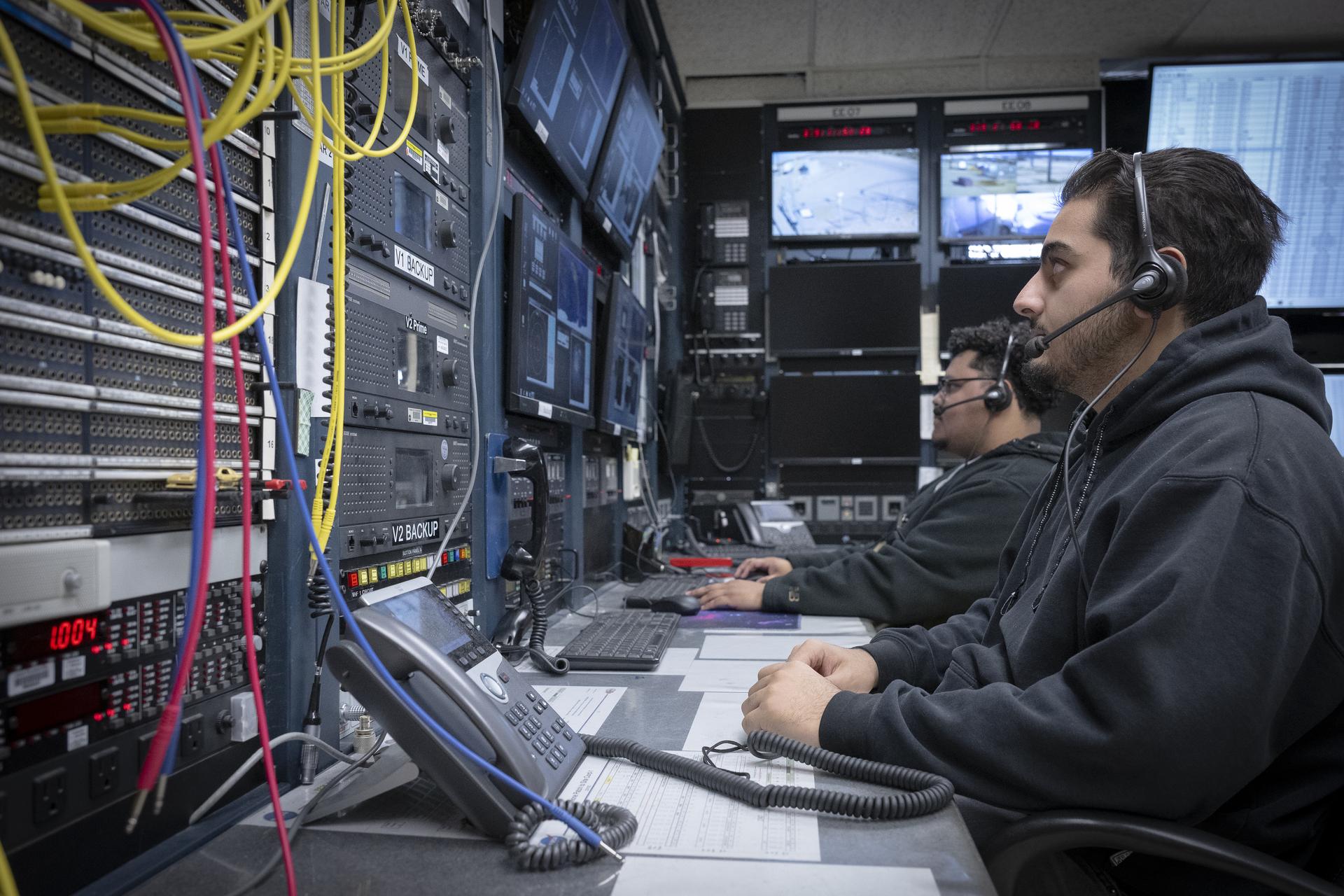
The DATR plays a critical role in International Space Station (ISS) missions by providing voice and tracking backup communications. Range operators at the DATR work at dedicated workstations, like those seen in a December 2025 photo featuring Alex Oganesyan and Deming Ingles, to ensure uninterrupted contact with the ISS. NASA has installed additional antennas specifically for backup coverage, complementing ongoing upgrades that include new very high frequency (VHF) ground antennas, updated electronic components, and software improvements. These enhancements ensure that the station and visiting spacecraft always have a reliable communication link, even if primary systems face issues. This capability underscores the DATR's versatility, bridging aeronautical testing and spaceflight support under one roof.
What modernization efforts have been undertaken at the DATR since the early 2020s?
Starting in the early 2020s, the DATR underwent a series of modernization efforts to expand its capabilities and prepare for future challenges. Key upgrades include the installation of new very high frequency (VHF) ground antennas, updated electronic components, and improved software for tracking the International Space Station and visiting spacecraft. NASA also added extra antennas to ensure backup coverage for space missions. These improvements not only enhanced existing services but also enabled the range to support new projects, such as test flights of NASA's X-59 quiet supersonic research aircraft and advanced spaceflight communications. The modernization ensures that the DATR remains a state-of-the-art facility, capable of handling the growing complexity of flight research and space operations.
Can you provide examples of specific research flights supported by the DATR?
The DATR has supported numerous groundbreaking research flights. One example is the Crossflow Attenuated Natural Laminar Flow (CATNLF) wing model, a scale-model wing attached under a NASA F-15B research jet. This experiment aims to improve laminar flow (smooth airflow over wings), which reduces drag and lowers fuel costs for future commercial aircraft. The range's ability to process and display real-time radar, telemetry, and video data was critical for monitoring this test. Additionally, the DATR supports aircraft platforms that enable science missions, such as the ER-2 high-altitude aircraft (used for Earth science) and the C-20A aircraft. It also played a key role in the first flight of NASA's X-59, which traveled from Lockheed Martin's Skunk Works to Armstrong Flight Research Center in October 2025, with the control room monitoring real-time flight data and maintaining communication throughout the mission.

How does the DATR contribute to safe and efficient flight research?
Safety and efficiency are at the core of the DATR's operations. The range provides real-time data, tracking, and situational awareness that flight researchers rely on to monitor every aspect of a mission. By integrating radar, telemetry, and video data, operators can quickly identify anomalies, track aircraft positions, and maintain constant communication. The video capabilities offer visual confirmation from ground cameras and long-range shots, while telemetry streams vital performance parameters. This comprehensive data stream allows engineers to make informed decisions during test flights, reducing risks and improving the quality of research. As Tara McCoy notes, these services help keep flight research “safe and efficient.” The ongoing upgrades, such as improved antennas and software, further enhance reliability, ensuring that the DATR can adapt to new requirements and maintain high safety standards.
What future flights is the DATR preparing to support?
The DATR is actively preparing for several upcoming missions. One high-profile project is the continued testing of NASA's X-59 quiet supersonic research aircraft, which aims to reduce sonic booms to a gentle thump. The range's modernization efforts directly support these flights by providing advanced communications and tracking. The DATR is also readying for additional spaceflight communications for the International Space Station and other visiting spacecraft. Beyond NASA, the range works with industry partners and supports science missions that use the ER-2 and C-20A platforms. With ongoing upgrades to VHF antennas and software, the DATR is well-positioned to handle future experimental aircraft, Earth science campaigns, and even potential partnerships with commercial space ventures. The facility remains a cornerstone of NASA's flight research infrastructure.