How Plants Orchestrate a Mathematical Light Ballet: A Step-by-Step Guide
Introduction
Living on sunlight is a high-stakes gamble. The sun's rays carry ultraviolet waves that can snap DNA strands and degrade essential molecules, and their intensity shifts dramatically—from soft morning light to blazing midday, from dappled shade to full exposure in seconds. Plants must constantly adjust their internal machinery to capture enough energy without frying themselves. This intricate balancing act relies on a hidden mathematical dance inside every cell. In this guide, we'll break down the key steps plants use to manage light variability, protect their molecular integrity, and optimize photosynthesis.
What You Need
To follow along with this process, imagine you're a plant cell equipped with:
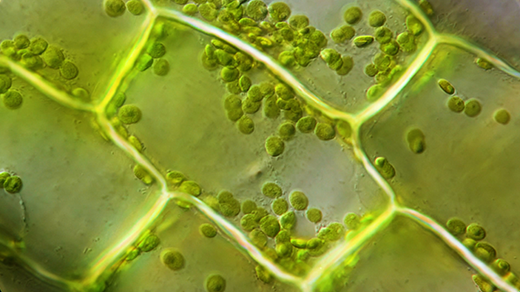
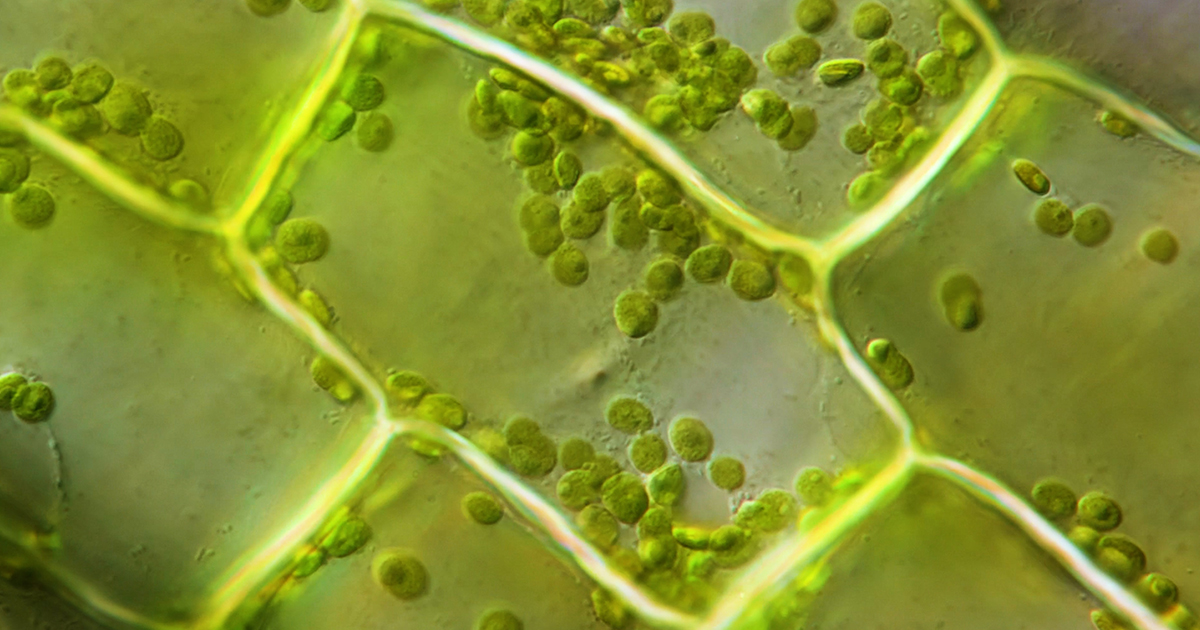
- Chloroplasts – The organelles where photosynthesis happens, containing thylakoid membranes.
- Photosystems I and II – Protein complexes that capture light energy.
- Light-harvesting antenna complexes – Pigment arrays that funnel photons.
- Enzymes for the Calvin cycle – Rubisco and others that fix carbon dioxide.
- Non-photochemical quenching (NPQ) machinery – A safety valve to dissipate excess energy as heat.
- Reactive oxygen species (ROS) scavengers – Antioxidants like ascorbate and glutathione.
- Signal molecules – Calcium ions, reactive oxygen species themselves, and hormones that relay light status.
Step 1: Sense the Light Intensity
Plants don't just wait to be fried. Specialized photoreceptors—such as phytochromes, cryptochromes, and phototropins—constantly monitor light quality and quantity. These proteins detect changes in the light spectrum and intensity, sending signals to the nucleus and chloroplasts. Key reactions include the activation of phototropin at low blue light levels and the adjustment of phytochrome states in response to red/far-red ratios. The cell assesses whether light is too weak, optimal, or dangerously bright.
Step 2: Adjust the Light-Harvesting Antennae
Once the intensity is known, the plant reconfigures its light-harvesting antennae. Under dim light, the antennae expand to capture more photons. Under bright light, they contract to reduce energy intake. This is achieved through the reversible phosphorylation of light-harvesting complex II (LHCII) proteins. When the cell senses excess excitation energy, a kinase called STN7 phosphorylates LHCII, causing it to detach from photosystem II and migrate to photosystem I, a process called state transitions. This balances the energy flow between the two photosystems and prevents overexcitation.
Step 3: Activate Non-Photochemical Quenching (NPQ)
If light remains intense after antenna adjustment, the plant triggers NPQ—a heat-dissipation mechanism. A pH gradient forms across the thylakoid membrane as protons accumulate from rapid electron transport. This low pH activates the enzyme violaxanthin de-epoxidase, which converts violaxanthin to zeaxanthin. Zeaxanthin binds to the PsbS protein, altering the conformation of the antenna complexes so that excess absorbed energy is harmlessly released as heat. The process is rapid (seconds to minutes) and reversible when light dims.
Step 4: Modulate the Calvin Cycle
To keep pace with light-driven electron flow, the Calvin cycle must be regulated. The key enzyme Rubisco is activated by light through the action of Rubisco activase, which is itself sensitive to the ATP/ADP ratio and the redox state of the chloroplast. Under high light, electron transport generates ATP and NADPH, which push the cycle forward. But if light suddenly drops, the cycle slows to prevent a buildup of unused products. The plant also adjusts the activity of other enzymes like sedoheptulose-1,7-bisphosphatase (SBPase) via thioredoxin-mediated redox regulation. This step ensures that carbon fixation matches the energy supply.
Step 5: Manage Reactive Oxygen Species (ROS)
Excess light inevitably creates dangerous ROS—singlet oxygen, superoxide, hydrogen peroxide—that can damage DNA, proteins, and lipids. Plants deploy a multi-layered defense. First, they produce antioxidants like ascorbate (vitamin C) and tocopherols (vitamin E) to quench ROS. Second, enzymes like superoxide dismutase and ascorbate peroxidase convert ROS into harmless water. Third, if damage occurs, repair systems remove and replace damaged proteins, particularly the D1 protein of photosystem II, which is constantly turned over. This step is crucial for preventing long-term cell damage.
Step 6: Coordinate Long-Term Adaptation
When light conditions persist for days or weeks, plants make broader adjustments. They change leaf angle, alter chloroplast positioning within cells (avoidance or accumulation movement), and modify gene expression to produce more or fewer light-harvesting proteins. The phytochrome and cryptochrome signaling pathways lead to changes in the abundance of NPQ components and Calvin cycle enzymes. This step ensures the plant becomes a more efficient solar harvester in the long run.
Tips for Understanding This Process
- Think of it as a feedback loop: Light intensity → sensor → response (antenna move, heat dissipation, cycle modulation) → new status → sensor again. The math behind it involves differential equations and control theory, but the cell executes it naturally.
- Don't ignore the quantum side: Plants use quantum coherence in light harvesting, where wave-like behavior of excitons allows efficient energy transfer even under fluctuating light.
- Observe real-time effects: If you have a dark-adapted leaf and expose it to bright light, you'll see it turn pale (chlorophyll fluorescence quenching) as NPK kicks in—visible proof of the dance.
- Compare to human energy management: It's like your body adjusting metabolism when you eat a big meal versus a light snack. The plant constantly tunes its energy budget.
- Remember the trade-off: Too much protection (like chronic NPQ) reduces photosynthetic yield, while too little invites damage. The math finds an optimum.