8 Things You Need to Know About SPIFFE for Agentic AI Identity Security
As autonomous AI agents become more prevalent—from LLM-powered bots to robotic swarms—the challenge of verifying their identity grows critical. Traditional identity methods built for humans and static systems fail to handle dynamic, ephemeral, non-human actors. Enter SPIFFE (Secure Production Identity Framework For Everyone), an open standard that provides cryptographically verifiable identities for workloads. Originally designed for microservices, SPIFFE is now a battle-tested solution for securing agentic AI. Here are eight essential facts about how SPIFFE addresses this modern identity crisis.
1. What Is SPIFFE and How Does It Work?
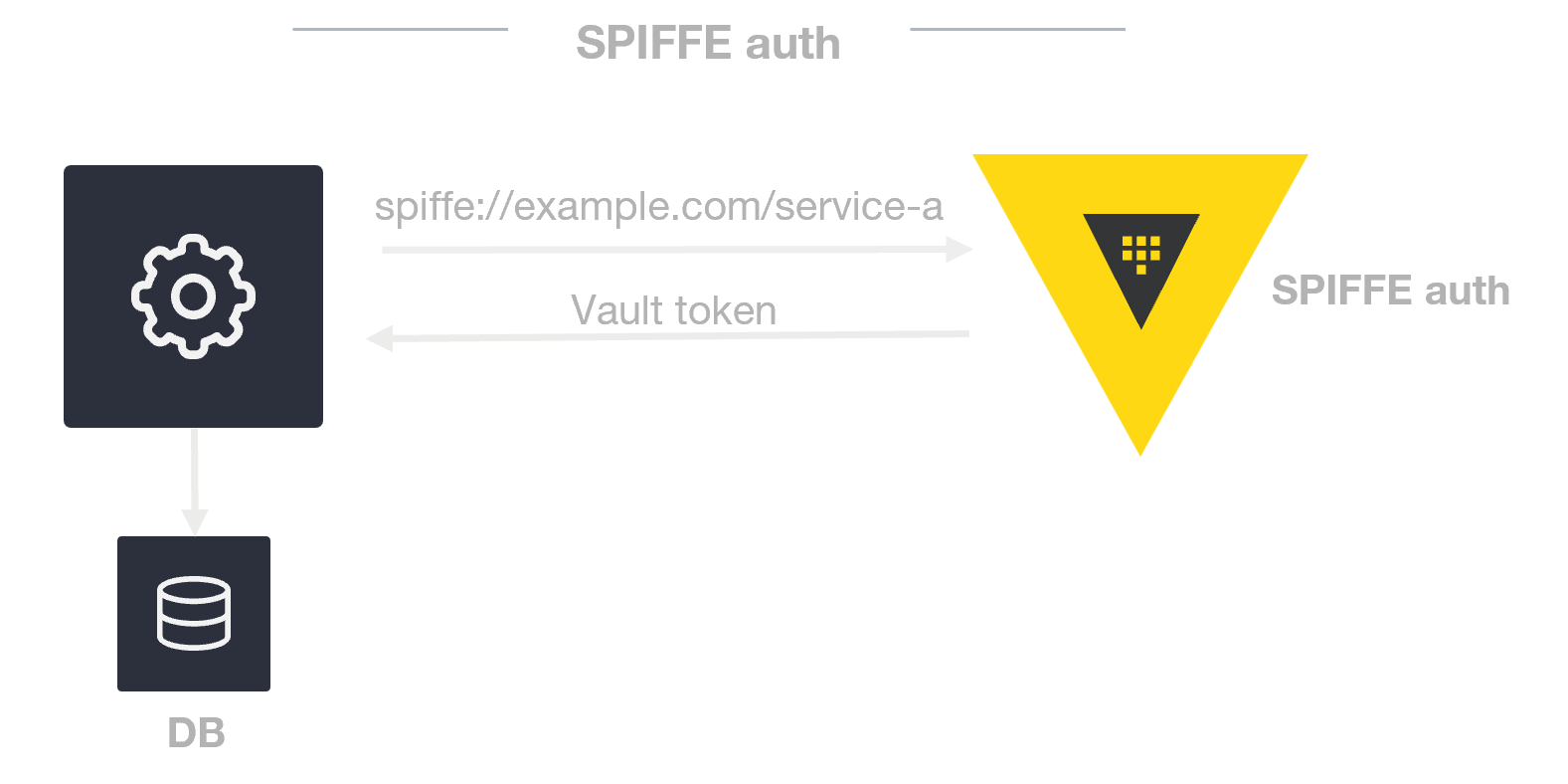
SPIFFE defines a framework for issuing and validating identities to software workloads—services, containers, processes, or AI agents. Each entity receives a unique SPIFFE ID (like spiffe://example.org/agent/fleet-manager) that is cryptographically bound to the workload using X.509 certificates. Instead of long-lived secrets (passwords, API keys), SPIFFE leverages short-lived credentials that are automatically rotated. This dynamic credentialing eliminates static secrets and reduces breach risk. SPIFFE also supports mutual TLS (mTLS), ensuring every communication is authenticated and encrypted. In essence, it gives every autonomous system a trustworthy, machine-readable identity that can be verified anywhere.
2. Why Traditional Identity Falls Short for AI Agents
Human-centric identity frameworks rely on usernames, passwords, OAuth tokens, and long-lived API keys. These don't scale for agentic AI: agents spin up and down in seconds, operate across organizational boundaries, and act autonomously. Static credentials can be stolen, leaked, or misused. Moreover, AI agents lack the ability to perform multi-factor authentication or remember complex secrets. SPIFFE addresses these gaps by decoupling identity from humans and tying it directly to the workload. Each agent gets a verifiable identity that is ephemeral (dynamically rotated), non-human, and federated—exactly what autonomous systems need.
3. Verifiable Non-Human Identity
In multi-agent environments, proving who is making a request is vital. A malicious agent could impersonate a trusted service to steal data or disrupt operations. SPIFFE assigns a unique identity to each workload—whether it's an LLM-powered chatbot, a robotic arm, or a fleet coordinator. This identity includes metadata like trust domain, service name, and even capabilities. Other agents can cryptographically verify the identity before granting access. For example, a smart city traffic agent can confirm that a request to change a signal comes from a legitimate emergency response agent, not an imposter. This verifiability is the foundation of zero trust.
4. Zero Trust Architecture for Autonomous Systems
Zero trust means “never trust, always verify.” SPIFFE natively enables this by powering mutual TLS (mTLS) between agents. Every interaction—whether between two AI agents or an agent and a database—requires both sides to present and validate SPIFFE certificates. This ensures that not only is the communication encrypted, but both endpoints are authenticated. If a rogue agent tries to join the network, it cannot present a valid SPIFFE ID and thus cannot participate. For agentic AI, this is critical because autonomous systems often operate in untrusted networks (e.g., across cloud providers). SPIFFE's mTLS creates a trusted overlay, ensuring every action is logged and authorized.
5. Federation Across Trust Domains
Agentic AI rarely operates in isolation—it spans clouds, data centers, and partner organizations. SPIFFE's federation model allows identities issued in one trust domain (e.g., spiffe://acme.com) to be validated in another (e.g., spiffe://partner.org). This is achieved through a bundle exchange of trusted root certificates. For example, an AI agent managing energy distribution in a smart city can securely collaborate with a weather forecasting agent hosted by a different company. Federation eliminates the need for shared secrets or central identity authorities, enabling seamless cross-domain collaboration while maintaining strict security boundaries.
6. Dynamic Identity Lifecycle Management
Agentic workloads are ephemeral: they may exist for minutes, seconds, or even less. SPIFFE supports this with automatic identity provisioning, rotation, and revocation. When a new agent spins up, it receives a short-lived certificate (e.g., valid for 1 hour) from a SPIFFE workload API. The agent uses this credential for all communications. Before expiry, the certificate is automatically rotated—no human intervention needed. If an agent is compromised or decommissioned, its identity can be instantly revoked, preventing further access. This dynamic lifecycle drastically reduces the window of exposure: even if a credential leaks, it's useless within a short time. For AI systems operating at scale, this operational agility is essential.
7. Real-World Use Case: Smart City Multi-Agent Coordination
Imagine a smart city where autonomous agents manage traffic lights, energy grids, emergency response, and waste collection. Each agent must authenticate and authorize actions without human intervention. SPIFFE enables this by assigning each agent a unique workload identity. A traffic agent can verify that a request to reroute traffic comes from an authenticated emergency response agent with the correct authority. The energy grid agent can securely share load data with a third-party analytics agent, thanks to federation. All communications are encrypted via mTLS, and credentials rotate automatically as agents are decommissioned. This ensures the city's infrastructure remains secure even as thousands of agents coordinate in real time.
8. Implementing SPIFFE: Practical Steps
Adopting SPIFFE for agentic AI requires three main components: a SPIFFE Authority (like SPIRE) that issues identities, the SPIFFE Workload API that agents use to obtain certificates, and integration with existing service mesh or identity solutions. Start by defining trust domains for each environment (dev, staging, prod). Then instrument your AI agent containers or processes to call the Workload API at startup. For multi-cluster or multi-cloud setups, configure federation bundles between domains. Finally, enforce mTLS in all inter-agent communications. Many cloud-native platforms (Kubernetes, Istio) already support SPIFFE natively, making adoption straightforward. The result: a robust, scalable identity layer for your autonomous systems.
SPIFFE is not just a microservices solution—it's a proven foundation for the emerging world of agentic AI. By providing verifiable, ephemeral, and federated identities, it solves the core security challenge of non-human actors operating autonomously across trust boundaries. As AI agents become more prevalent, adopting SPIFFE early will ensure your systems are both secure and interoperable.