PCIe 8.0: Unprecedented Speed May Force a Connector Revolution
The PCI Express (PCIe) interface has been a cornerstone of PC expandability for over two decades, maintaining backward compatibility across seven generations. However, the imminent PCIe 8.0 standard could break this tradition by introducing a new physical connector to handle its extreme speeds. Below, we explore the key questions surrounding this potential shift.
- What makes PCIe 8.0 so fast, and why might a new connector be needed?
- How does PCIe 8.0's bandwidth compare to earlier generations?
- What technical challenges drive the need for a new connector?
- Would a new connector end backward compatibility?
- How has PCIe maintained compatibility for so long?
- When can we expect PCIe 8.0 hardware to arrive?
- What does this mean for gamers, professionals, and data centers?
What makes PCIe 8.0 so fast, and why might a new connector be needed?
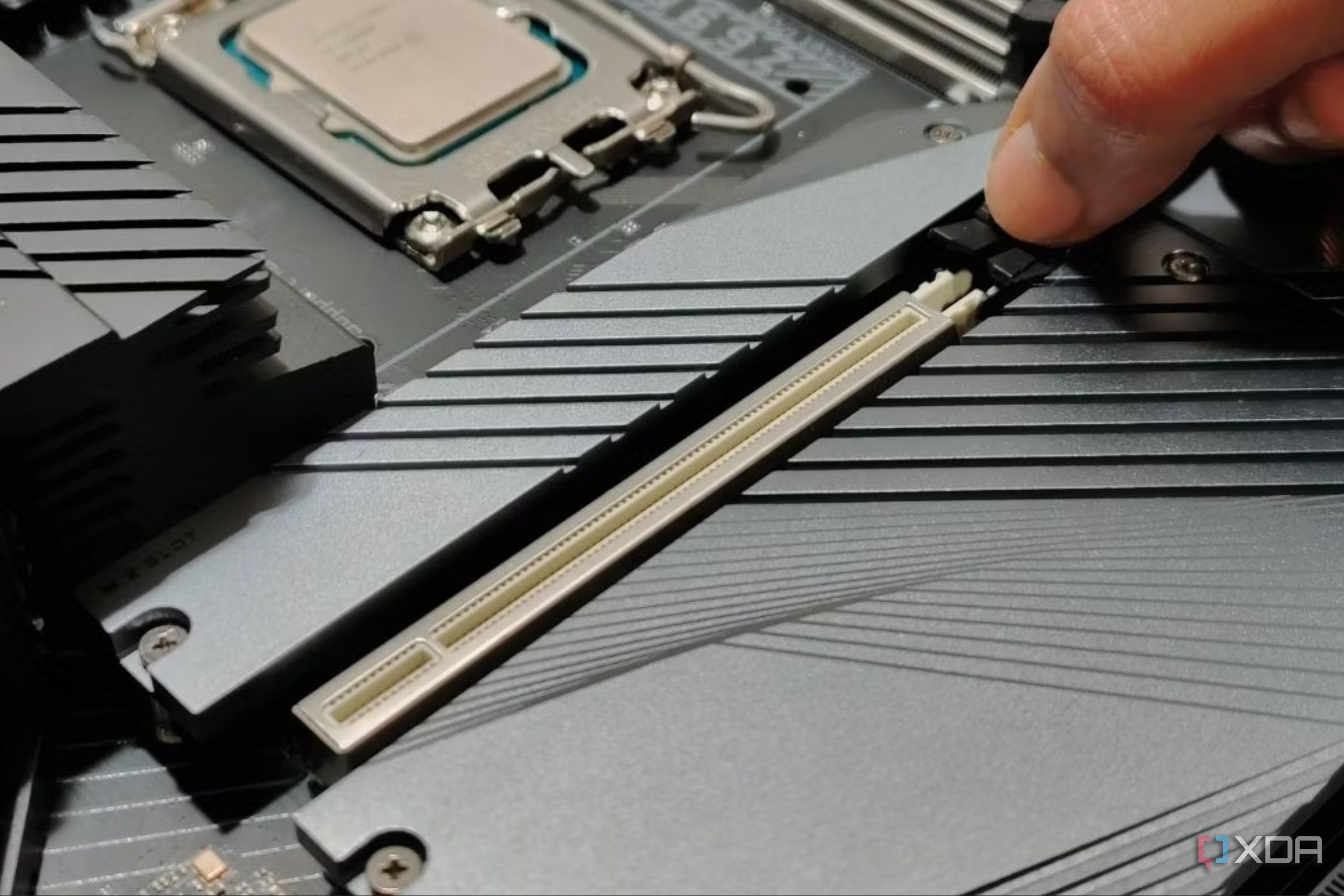
PCIe 8.0 is designed to deliver up to 128 gigatransfers per second (GT/s) per lane, quadrupling the bandwidth of PCIe 5.0. This blistering speed is achieved through advanced signaling techniques like PAM-4 modulation and improved error correction. However, these higher data rates impose stricter electrical requirements, such as reduced signal loss and lower jitter. The existing card-edge connector, while robust, may not provide adequate signal integrity at such frequencies without introducing interference or crosstalk. Engineers are exploring a new connector design with better shielding, shorter signal paths, and optimized pin layouts to meet PCIe 8.0's stringent specifications.
How does PCIe 8.0's bandwidth compare to earlier generations?
PCIe 8.0 represents a massive leap in raw throughput. A single x16 slot will offer up to 256 GB/s in each direction, compared to 64 GB/s for PCIe 5.0 and 128 GB/s for PCIe 6.0. This makes it ideal for bandwidth-hungry applications like AI accelerators, high-end GPUs, and NVMe storage arrays. For context, PCIe 1.0's x16 slot delivered just 8 GB/s—PCIe 8.0 is 32 times faster. However, as speed increases, the margin for signal degradation shrinks, necessitating potential physical changes to the interface.
What technical challenges drive the need for a new connector?
The primary challenge is maintaining signal integrity at extremely high frequencies. PCIe 8.0 pushes data rates to 128 GT/s, where even tiny imperfections in the connector can cause data errors. Existing PCIe slots are designed for lower speeds and may suffer from reflections, crosstalk, and excessive insertion loss. A new connector could incorporate grounding structures, advanced dielectrics, and tighter tolerances to preserve signal quality. Additionally, the increased power delivery required by next-gen devices might demand more robust contact surfaces to handle higher currents without overheating.
Would a new connector end backward compatibility?
If PCIe 8.0 adopts a physically different connector, older cards won't fit into new slots, and new cards won't work in old slots. This would be a historic break from PCIe's tradition of backward compatibility. However, some proposals suggest a transitional phase where motherboards include both old and new slots, similar to early PCIe 1.0 boards that also had AGP slots. Users upgrading to PCIe 8.0 might need to replace their entire system—motherboard, CPU, and peripherals—to take full advantage of the new standard.
How has PCIe maintained compatibility for so long?
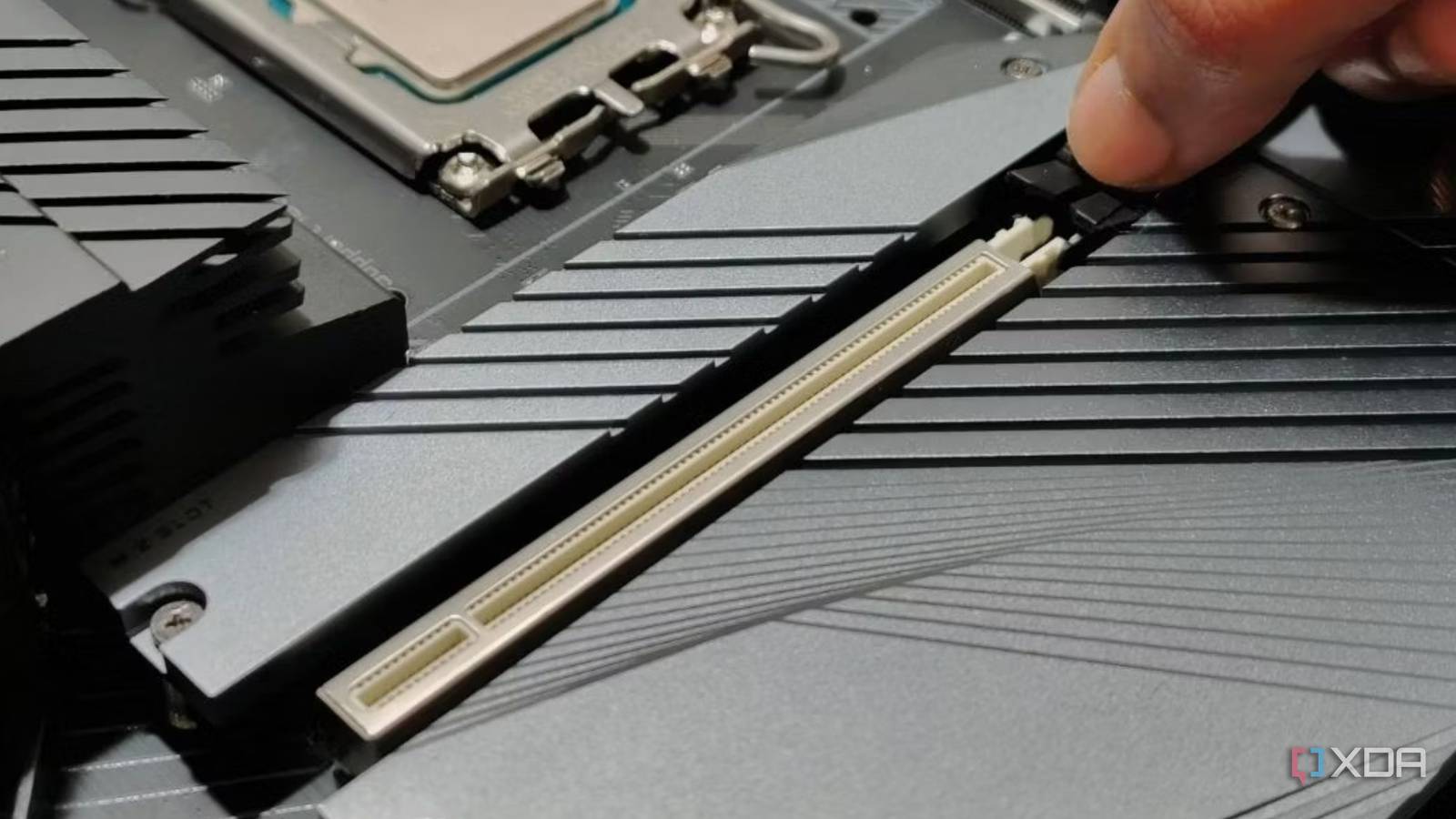
PCIe owes its longevity to a carefully designed electrical and mechanical specification that allows each new generation to negotiate the highest common speed. For example, a PCIe 5.0 graphics card works in a PCIe 3.0 slot at reduced speed. This backward compatibility has been achieved by limiting signaling rate increases while using the same connector form factor. However, PCIe 8.0's speed may exceed what the existing connector can handle, forcing a break in compatibility to achieve the performance gains.
When can we expect PCIe 8.0 hardware to arrive?
The PCI-SIG, the organization behind the standard, finalized version 8.0 in early 2025. Consumer hardware typically follows after several years of development and testing. We may see early enterprise SSDs and network cards around 2027, with consumer motherboards and GPUs arriving around 2028-2029. Adoption will hinge on the connector decision—if a new connector is mandated, manufacturers will need to retool production lines, potentially delaying products further.
What does this mean for gamers, professionals, and data centers?
For gamers, PCIe 8.0 offers headroom for future graphics cards and storage, but the current RTX 5090 and similar cards already saturate PCIe 5.0. Professionals working with 8K video, AI models, or massive datasets will benefit most from the bandwidth. Data centers could use PCIe 8.0 to interconnect high-speed storage and accelerators, reducing latency and power consumption. However, if a new connector is introduced, upgrading will be costly and require entire platform changes, which may slow adoption outside of specialized applications.