Assessing the Beijing Summit: Key Outcomes in U.S.-China Relations
Introduction
U.S. President Donald Trump and Chinese President Xi Jinping concluded their summit in Beijing on Friday, declaring significant headway in stabilizing the fraught relationship between the world's two largest economies. While both leaders highlighted progress, deep divisions persist on issues ranging from Iran to Taiwan, underscoring the complex dynamics that continue to shape bilateral ties.
Taiwan Arms Sale and Cross-Strait Tensions
A major point of contention during the talks was the proposed U.S. arms sale to Taiwan. Trump stated after the summit that he has not yet made a final decision on whether to proceed with the sale, which has been authorized by his administration but remains pending. Speaking aboard Air Force One en route to Washington, Trump remarked, 'I will make a determination,' leaving the matter unresolved.
China has consistently opposed any such sale, viewing it as a violation of its core interests. Beijing has insisted that Washington's relationship with the self-governing island is the central factor in U.S.-China relations. During the summit, Xi conveyed his opposition to Taiwanese independence, a stance Trump acknowledged. 'I heard him out,' the president said. 'I didn't make a comment.' This exchange highlights the delicate balance the U.S. must strike between its commitments to Taiwan and its desire for stable relations with China.
Nuclear Arms Control: A Three-Way Proposal
Another key topic was Trump's proposal for a tripartite nuclear arms deal involving the United States, Russia, and China. The president advocated for an agreement that would cap each country's nuclear warhead arsenal. China has historically been reluctant to join such pacts, given its relatively small stockpile. According to Pentagon estimates, China currently operates over 600 nuclear warheads, compared to more than 5,000 for both the U.S. and Russia. However, the Pentagon projects China's arsenal could exceed 1,000 operational warheads by 2030.
The previous bilateral arms control agreement, the New START treaty between Russia and the U.S., expired in February, removing caps for the first time in over fifty years. Trump rejected a Russian proposal to extend the treaty for another year, instead calling for a 'new, improved, and modernized' deal that includes China. Surprisingly, Trump suggested Xi was receptive to the idea, stating, 'I got a very positive response. This is the beginning.' If realized, such a pact could reshape global strategic stability.
A Milestone Meeting: Symbolism and Substance
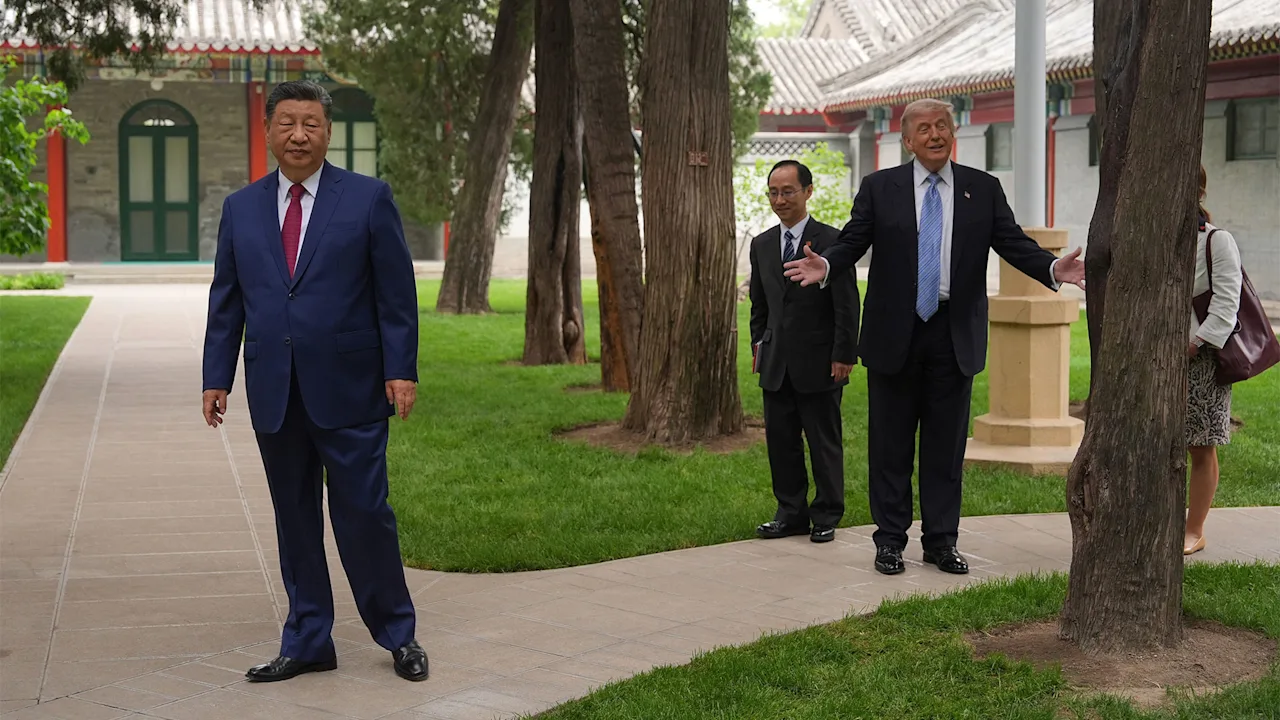
To mark the conclusion of the summit, Xi welcomed Trump at his official residence, Zhongnanhai, for a final round of talks. The leaders took a short walk through the grounds, featuring ancient trees, Chinese roses, and a covered passageway adorned with traditional paintings. Over tea and lunch, accompanied by top aides and translators, the two men held nearly three hours of discussions before Trump departed after his three-day visit to China.
Trump described the time as 'really a great couple of days,' while Xi called the summit a 'milestone' and announced the establishment of a 'constructive, strategic, stable relationship.' Yet the optimistic rhetoric belies ongoing friction. The two sides remain at odds not only over Taiwan and arms control but also over Iran, trade imbalances, and human rights. The road ahead will require careful diplomacy to turn the summit's symbolic achievements into lasting progress.
Conclusion
The Beijing summit produced claims of progress on both sides, particularly regarding nuclear arms control and bilateral stability. However, the unresolved Taiwan arms sale and persistent disagreements on other fronts indicate that fundamental challenges remain. As both leaders look ahead, the success of their newly defined relationship will depend on translating positive rhetoric into concrete actions.