10 Surprising Ways the Arkham Series Shaped the New Lego Batman Game
When Lego Batman: Legacy of the Dark Knight hit store shelves, fans of both the Lego series and the iconic Batman: Arkham games quickly noticed something different. The game wasn't just another whimsical brick‑buster—it carried the DNA of Rocksteady's gritty, open‑world masterpieces. Behind the scenes, the development team at TT Games teamed up with veterans from the Arkham project to infuse the Lego universe with a fresh dose of intensity and polish. Here are ten concrete ways that help shaped the final product, from combat to storytelling and beyond.
1. Direct Collaboration with Rocksteady Veterans
Early in development, TT Games sought out key members of the Rocksteady team—the studio behind the Arkham trilogy—to consult on gameplay mechanics and narrative structure. This wasn't a simple phone call; former Rocksteady designers and developers spent months on site, helping to adapt the signature Arkham feel into Lego's family‑friendly framework. Their input ensured that while the game retained its characteristic humor and brick‑breaking chaos, the core loop felt familiar to fans of the darker franchise. The result is a hybrid that respects both worlds without compromising either one.
2. Combat System Overhaul Inspired by Arkham’s Freeflow
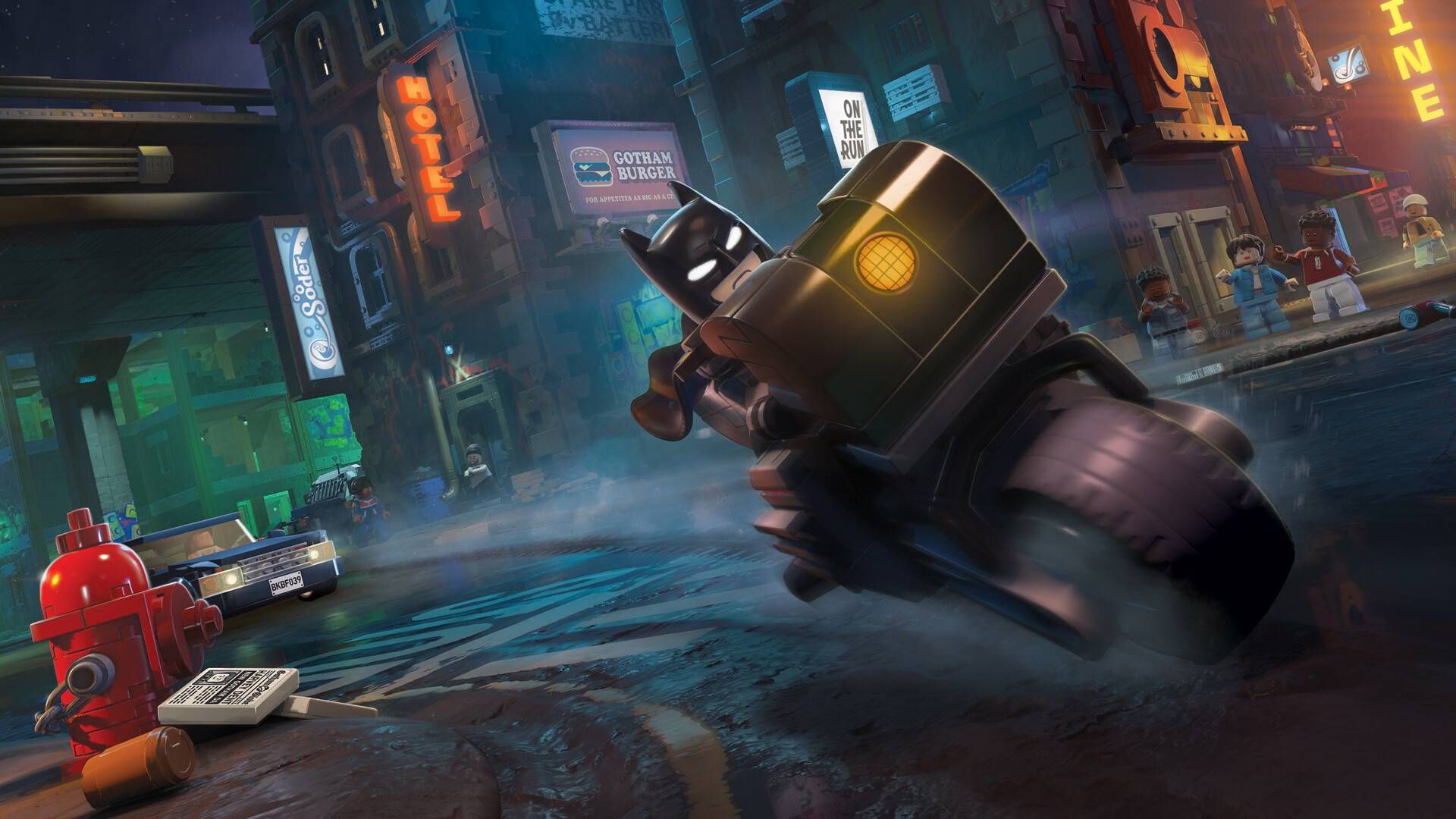
The most obvious change is in combat. Where earlier Lego Batman titles relied on simple button‑mashing, Legacy of the Dark Knight introduces a freeflow‑inspired fighting system. Arkham alumni helped refine the timing, counters, and combo chaining, allowing players to string together attacks against multiple enemies. The visual feedback—slow‑motion takedowns, environmental finishers, and enemy reactions—directly echoes the fluid brawls of Arkham Asylum. Yet because it's Lego, defeated foes explode into studs instead of crumpling to the ground, keeping the tone light.
3. Stealth Mechanics Borrowed from the Shadows
Stealth was always a hallmark of the Arkham series, and the Lego team didn't ignore it. With help from the consulting developers, the new game introduces predator‑style encounters: gargoyle perches, grate hiding spots, and silent takedowns. Players can now use Batman's detective mode to track enemy patrols, string them up from above, or drop chandeliers on their heads. The Arkham influence is unmistakable in the layout of these stealth sections, which are designed to offer multiple approaches rather than a single puzzle solution.
4. Open‑World Gotham with Arkham‑Style Density
Past Lego Batman games featured hub worlds, but nothing like the sprawling, lived‑in Gotham seen here. Arkham veterans advised on how to fill a city with activities without overwhelming younger players. The result is a map that balances exploration with guided objectives: Riddler trophies, random crime events, and hidden character tokens dot the landscape, just like in Arkham Knight. The skyline is instantly recognizable, with landmarks like the GCPD building and Ace Chemicals rendered in painstaking brick detail.
5. Narrative Depth and Character Arcs
One of the biggest surprises is the story's emotional weight. While Lego games are known for funny cutscenes, Legacy of the Dark Knight weaves a plot that grapples with Batman's legacy—a theme straight out of the Arkham playbook. The consulting team helped structure a three‑act narrative that gives each of the major villains (and Batman himself) meaningful arcs. Short flashback sequences, reminiscent of Arkham Origins, reveal key turning points in the relationship between the Dark Knight and his rogues' gallery.
6. Gadget Integration Mirrors Arkham’s Utility Belt
From the Batarang to the grapple gun, every gadget in the new Lego game has been re‑engineered for both puzzle‑solving and combat efficiency. Arkham designers stressed the importance of seamless gadget switching, so now players can equip multiple items and use them mid‑combo without pausing. The explosive gel, for example, works exactly like it does in the Arkham games: applied to walls to blow holes or used on enemies for a delayed blast. Even the line launcher makes a return, allowing Batman to cross gaps with style.
7. Boss Fights with Multiple Phases
Lego boss battles used to be mostly about avoiding floor hazards and hitting a glowing spot three times. Thanks to input from the Arkham team, the new game introduces multi‑phase encounters that require pattern recognition and quick reflexes. The fight against the Joker, for instance, evolves from a chase across the city to a rooftop brawl that references the final confrontation in Arkham Asylum. Each phase throws new mechanics at the player—think counter windows, environmental traps, and even quick‑time events that feel lifted straight from the rocksteady playbook.
8. Easter Eggs and Callbacks to the Arkham Series
TT Games didn't just borrow mechanics—they packed the world with references that Arkham fans will love. Scattered throughout Gotham are hidden audio logs from Arkham characters, interactive crime scenes that mimic the detective mode of Arkham Origins, and even a secret room filled with drawings of early Arkham concepts. The consulting team helped ensure these Easter eggs are meaningful, not just random nods, rewarding players who pay close attention to the environments.
9. Voice Cast and Direction
While Lego games usually feature voice actors who mimic film or series stars, Legacy of the Dark Knight brought in several actors from the Arkham games to reprise their roles. Arkham veterans shared direction tips, encouraging a tone that balances the dramatic weight of a serious Batman story with the light‑heartedness expected from Lego. Some of the line readings, especially during emotional scenes, have an intensity that was previously exclusive to the Arkham universe. The result feels like a true crossover in voice performance.
10. Future of the Lego Batman Franchise
The collaboration doesn't end with this game. According to insiders, the success of this partnership has opened the door for future Lego titles to adopt Arkham‑style elements. The development team plans to build on the freeflow combat and open‑world design, potentially creating a new sub‑series of “Lego Arkham” games that combine the best of both worlds. While nothing is official, the positive reviews and fan reception suggest that this hybrid formula could become a staple, much like how Lego City Undercover redefined open‑world Lego games.
In conclusion, the marriage between TT Games' playful brick‑building and Rocksteady's dark, cinematic vision has produced something genuinely new. Lego Batman: Legacy of the Dark Knight respects the source material while forging its own identity—a feat that wouldn't have been possible without the direct assistance from the people who made Arkham a household name. Whether you're a Lego purist or a hardened Arkham fan, there's plenty here to enjoy, proving that even the most unlikely collaborations can yield spectacular results.