Breaking: NASA Funds Groundbreaking Space Food and Eye Health Research for Artemis Era
Two Early-Career Scientists Chosen to Tackle Critical Deep Space Health Challenges
HOUSTON — NASA's Translational Research Institute for Space Health (TRISH) has selected two postdoctoral fellows to lead projects that could determine astronaut survival on the Moon and Mars, the agency announced today.
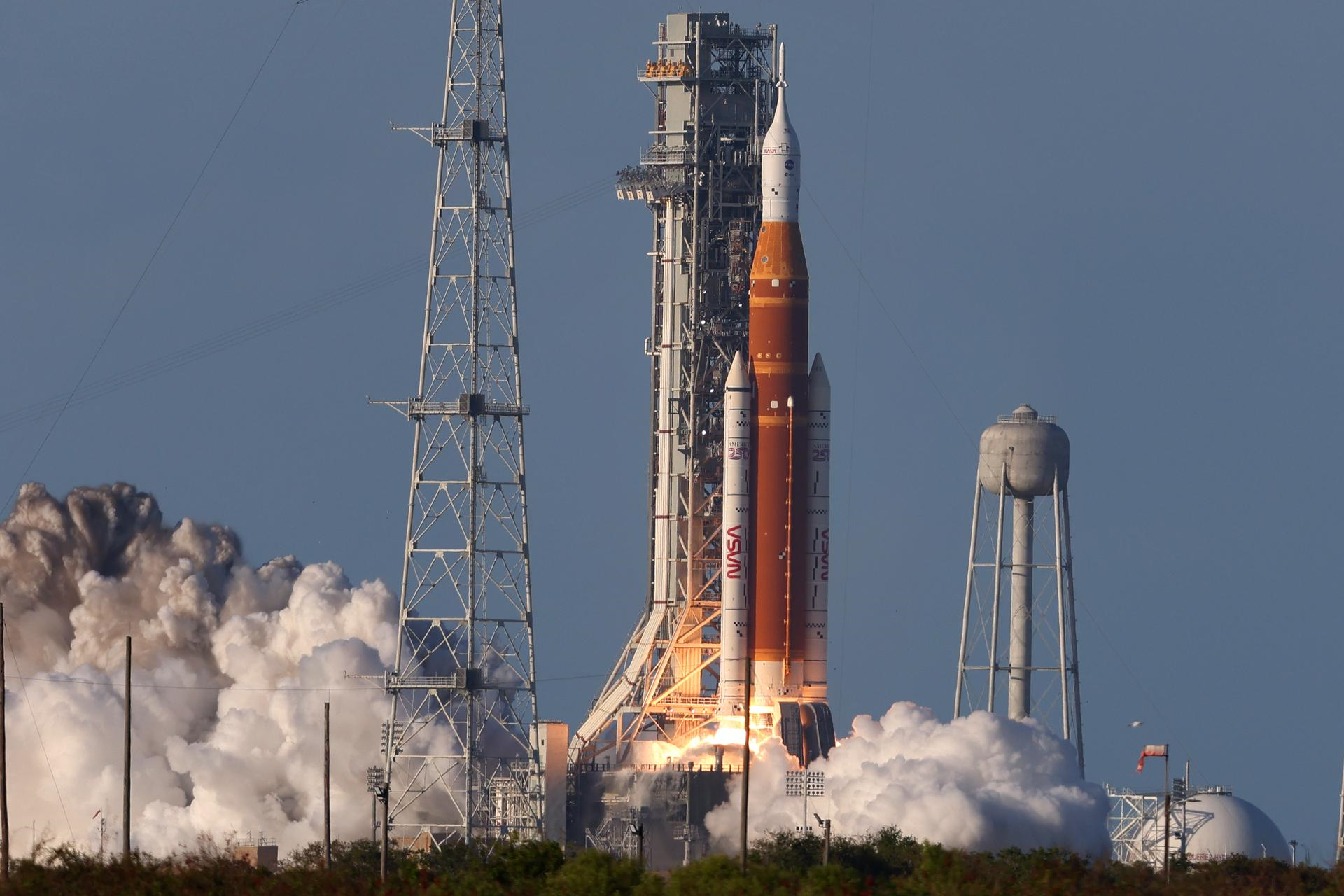
The fellows, starting their research in May 2025, will focus on two of the most pressing issues for long-duration spaceflight: sustainable food systems and vision deterioration in microgravity.
Project 1: Supercharged Spirulina for Deep Space Nutrition
Dr. Baiyang Liu of Columbia University will engineer a new strain of spirulina — a nutrient-dense cyanobacteria — that can both produce protein and fix nitrogen from the air, reducing the need to carry fertilizer on long missions.
"We are not just adding vitamins; we are creating a complete, self-sustaining food source that requires minimal resources," said Dr. Harris Wang, Liu's mentor at Columbia.
Project 2: Simulated Microgravity and Aging Retinas
Dr. Dylan Pham of Texas A&M University will investigate how simulated microgravity combined with aging affects the ocular artery and neural retina — a model for understanding Spaceflight-Associated Neuro-ocular Syndrome (SANS).
"This work could protect both astronauts and aging populations on Earth from vision loss," added Dr. Travis Hein, Pham's mentor.
Background: TRISH and the Urgency of Space Health Research
TRISH, a virtual institute funded by NASA's Human Research Program, expedites biomedical breakthroughs for human space exploration. The space food and eye health projects are part of a larger effort to prepare crews for the Artemis missions to the Moon and eventually Mars.
"Our postdoctoral fellows bring new ideas, technical expertise, and energy to some of the most complex challenges in human spaceflight," said Dr. Dorit Donoviel, executive director of TRISH and associate professor at Baylor College of Medicine. "By investing in the next generation, we are building the capability required to achieve a sustained presence on the Moon."
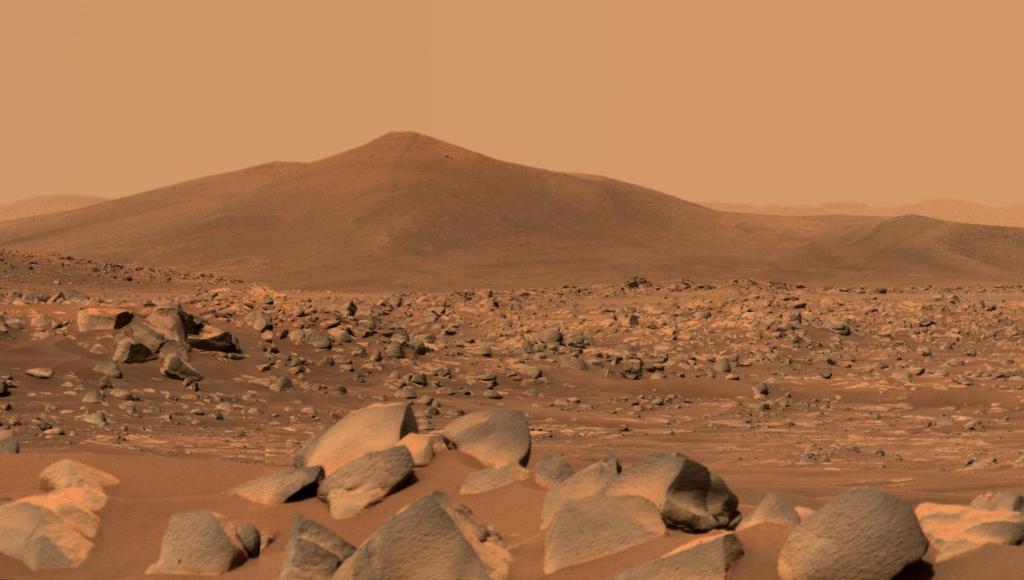
NASA's Human Research Program
NASA's Human Research Program studies how spaceflight affects the human body. Through experiments on the International Space Station, analog missions, and Artemis flights, scientists develop countermeasures to keep astronauts healthy and mission-ready.
What This Means
These projects directly address two of the top health risks identified for extended deep space missions: food security and vision impairment. Without reliable food systems, crews cannot survive months-long voyages; without healthy eyes, they cannot perform critical tasks.
"The research from these fellows could one day save lives on Mars," Donoviel emphasized. "And the same technologies will improve healthcare on Earth — especially for remote or aging populations."
Both scientists will present their findings at TRISH's annual symposium, with initial results expected within 18 months.
Fast Facts
- Fellows: Dr. Baiyang Liu (Columbia University) and Dr. Dylan Pham (Texas A&M University)
- Duration: 2-year postdoctoral fellowships starting May 2025
- Funding: NASA's Translational Research Institute for Space Health (TRISH)
- Goal: Reduce health risks and support human exploration of the Moon, Mars, and beyond