10 Essential Facts About the Moon-Jupiter Conjunction on May 20
On May 20, skywatchers will be treated to a celestial spectacle: the waxing moon glides gracefully beside Jupiter, the king of planets, just after sunset. This close conjunction offers a perfect opportunity to observe two of the brightest objects in the night sky. But there’s much more to this event than meets the eye. Here are ten things you need to know to fully appreciate this cosmic dance.
1. Timing Is Everything: When to Look
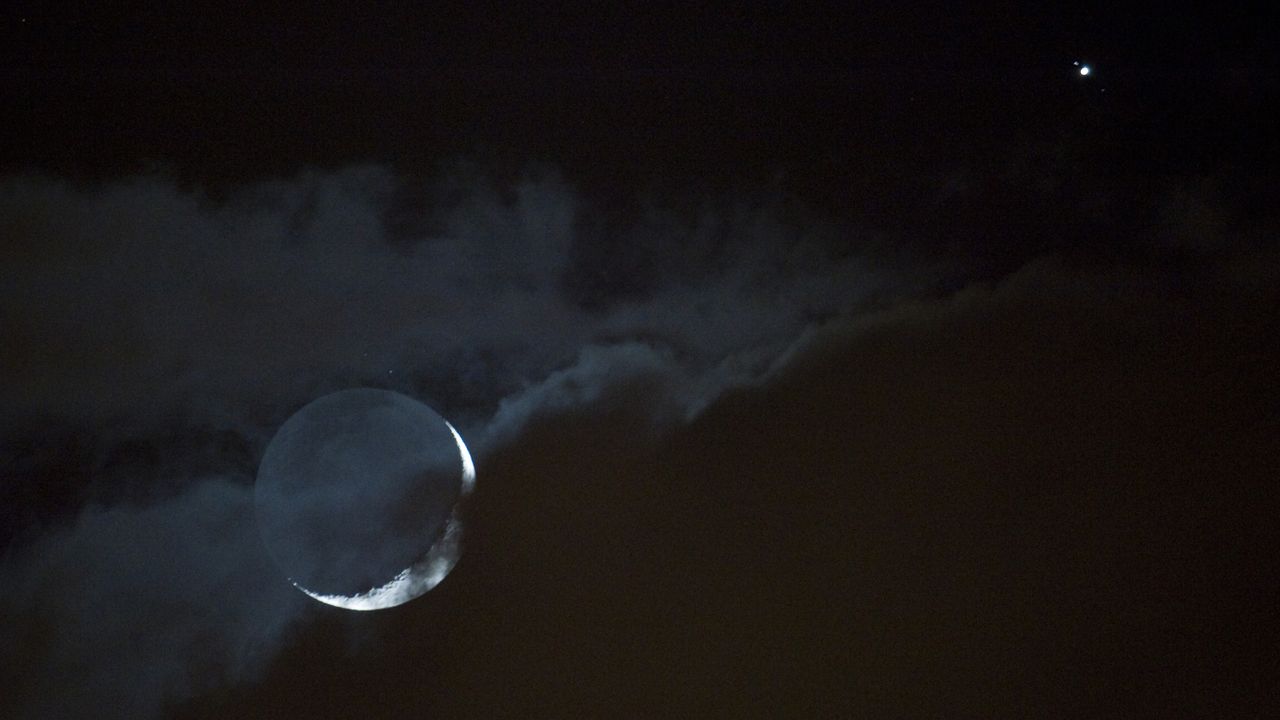
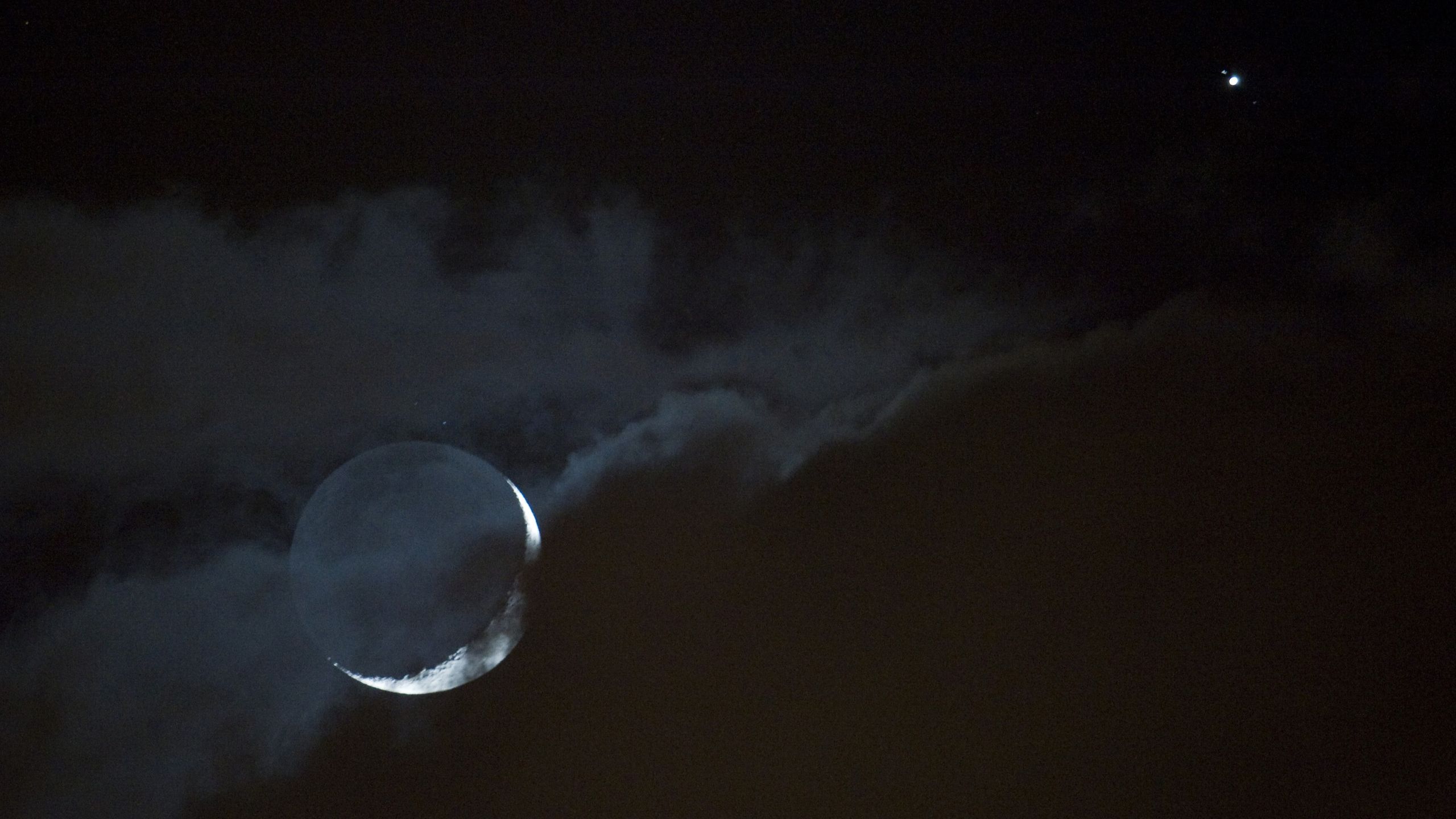
The best viewing window begins about 30 minutes after sunset on May 20. As the sky darkens, look low in the western horizon. The moon and Jupiter will appear close together—only about 2 degrees apart—making them easy to spot. Be sure to check local sunset times, as the exact moment varies by location. Don’t wait too long, because both objects will set within a couple of hours.
2. The Waxing Moon Phase
The moon on this date is in its waxing gibbous phase, just a few days after first quarter. It’s about 80% illuminated, providing enough light to see craters and maria with binoculars but not so bright that it overwhelms Jupiter. This phase also means the moon is high enough in the sky to be a striking companion. The waxing gibbous is ideal for evening observations, as it’s visible for most of the night.
3. Why Jupiter Shines So Brightly
Jupiter is the largest planet in our solar system, with a diameter over 11 times that of Earth. Its brightness this evening is due to its size and reflective cloud tops. At magnitude –2.3, it outshines all stars and even rivals Venus when it’s near. During the conjunction, Jupiter will appear as a steady, golden-white point of light—unlike twinkling stars—because its light passes through less atmospheric turbulence.
4. The Geometry Behind the Conjunction
A conjunction occurs when two celestial bodies share the same right ascension in the sky. On May 20, the moon and Jupiter align closely from Earth’s perspective. In reality, they are millions of kilometers apart. The moon is about 384,000 km away, while Jupiter is roughly 880 million km distant. This line-of-sight alignment is a geometric treat, not a physical collision.
5. Best Equipment for Viewing
While both objects are visible to the naked eye, a pair of binoculars enhances the view. With 7x or 10x magnification, you can see Jupiter’s four largest moons—Io, Europa, Ganymede, and Callisto—as tiny dots flanking the planet. A small telescope (60–80 mm aperture) will reveal Jupiter’s cloud bands and the Great Red Spot if the timing is right. For moon details, even a modest scope shows craters like Tycho and Copernicus.
6. How to Find a Good Spot
Because the event occurs low on the western horizon, choose an observing site with an unobstructed view to the west—away from trees, buildings, and hills. Light pollution is less of an issue for these bright objects, but darker skies still improve contrast. Parks, open fields, or hilltops facing west are ideal. Check weather forecasts; clear skies are essential. If clouds block the view, many astronomy clubs stream such events online.
7. Historical and Cultural Significance
Conjunctions of the moon and planets have fascinated humans for millennia. In ancient Babylon, such events were seen as omens. For Jupiter—named after the Roman king of gods—aligning with the moon often symbolized power and change. Many cultures used these celestial meetings to mark seasons or agricultural cycles. Today, they are simply awe-inspiring reminders of our place in the cosmos.
8. What’s Special About This Particular Conjunction
This conjunction is especially photogenic because the moon and Jupiter share a similar brightness and color contrast—the moon’s silver-white against Jupiter’s golden hue. Also, the moon’s phase (waxing gibbous) means it’s not too thin to be lost in twilight nor too full to wash out Jupiter. The angular separation of 2 degrees is tight enough to fit both in a typical binocular field of view, making it a perfect snapshot opportunity.
9. Tips for Photographing the Event
To capture this conjunction, use a DSLR or mirrorless camera with a telephoto lens (200mm or more) on a tripod. Set ISO around 400–800 and aperture to f/5.6–f/8. Experiment with shutter speeds: start at 1/2 second for the moon and adjust to avoid overexposing Jupiter. For smartphone users, use the “night mode” or pro settings with manual focus. A remote shutter or timer reduces camera shake. Frame the scene with foreground elements like trees or buildings for scale.
10. Upcoming Similar Events
If you miss this one, don’t worry. Another moon-Jupiter conjunction occurs on June 17, though the moon will be waning and closer to the morning sky. Next May, a similar evening event will happen on May 15, 2026. For frequent alignments, check astronomy apps or websites like Sky & Telescope. Mark your calendar—these celestial dances repeat, and each one offers a unique view.
Whether you’re a seasoned astronomer or a curious beginner, the moon-Jupiter conjunction on May 20 is a simple yet profound reminder of the beauty above. Take a moment after sunset, look westward, and let the cosmic couple inspire you. Clear skies!