U.S. President Warns of 25% Tariff on European Auto Imports Over Trade Dispute
Overview of the Tariff Threat
On Friday, President Donald Trump announced plans to impose a 25 percent tariff on automobiles and trucks imported from the European Union (EU) starting next week. This move threatens to disrupt the global economy during a period of heightened fragility, as it targets a key sector already strained by geopolitical tensions and inflationary pressures.
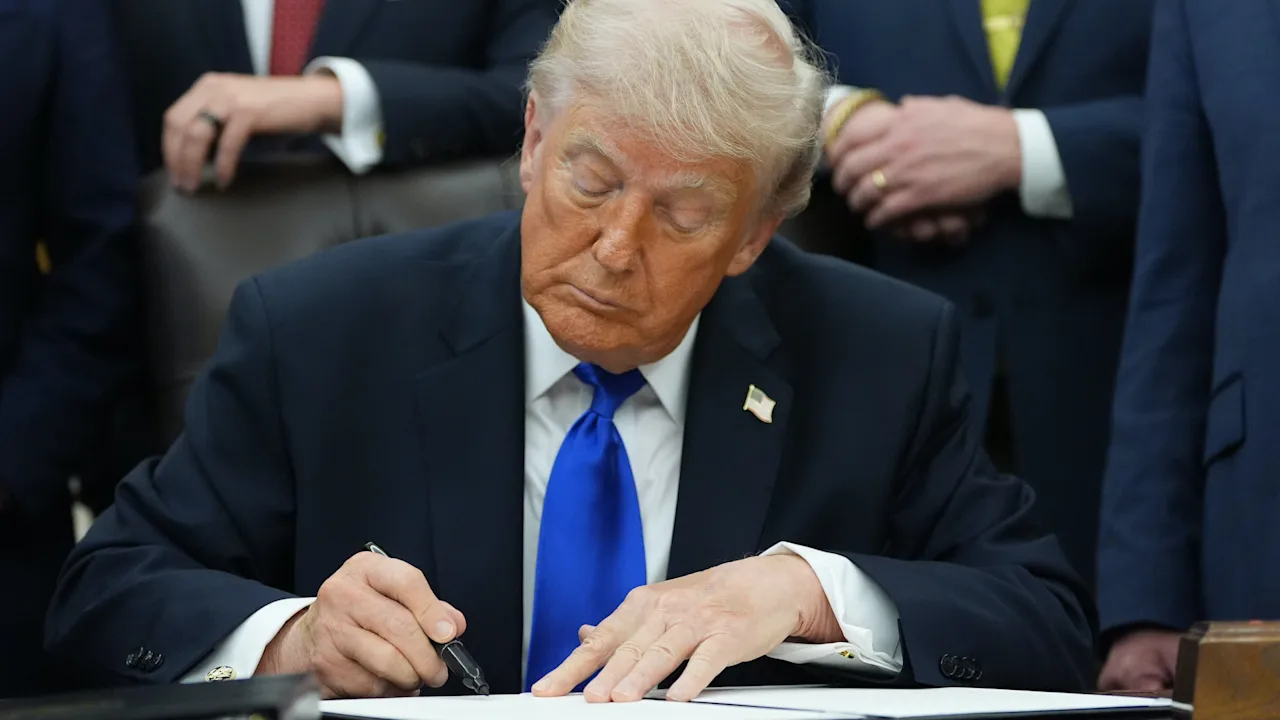
In a social media post, Trump asserted that the EU has failed to comply with what he called “our fully agreed to Trade Deal,” without providing specific details on the alleged violations. The announcement comes amid ongoing negotiations over the trade framework established last July between Trump and European Commission President Ursula von der Leyen.
The Turnberry Agreement and Its Challenges
That framework, known as the Turnberry Agreement—named after Trump’s golf course in Scotland—set a maximum tariff rate of 15 percent on most goods. However, the agreement faced a significant setback when the U.S. Supreme Court ruled earlier this year that the president lacked the legal authority to declare an economic emergency and impose tariffs on EU member states and other nations. This ruling invalidated the legal basis Trump had used, prompting his administration to explore alternative measures.
In response, the Trump administration has imposed a 10 percent tariff on EU goods while investigating trade imbalances and national security concerns to identify new revenue sources. These efforts could potentially violate the terms of the Turnberry Agreement, though European Commissioner for Trade and Economic Security Maroš Šefčovič recently told reporters that EU-U.S. relations have improved over the past year.
Economic Fallout from Global Conflicts
The tariff threat arrives at a time when the global economy is already reeling from the effects of the Iran war. U.S. and Israeli strikes launched at the end of February effectively shut down the Strait of Hormuz, a critical chokepoint for oil and natural gas shipments. This disruption has driven up energy prices, leading to expectations of slower economic growth and higher inflation worldwide.
The combination of rising energy costs and the potential for new tariffs has raised fears of a broader economic downturn. Analysts warn that the 25 percent auto import tax could further strain supply chains and increase costs for consumers and businesses alike.
Political Implications and Public Sentiment
Domestically, Trump faces mounting political pressure as the November midterm elections approach. He returned to the White House on a promise to quickly tame inflation, which had surged following the government’s pandemic response. However, annual inflation rose to 3.3 percent in March—higher than the rate he inherited—driven largely by increased energy costs. According to a recent AP-NORC poll, only 30 percent of U.S. adults approve of Trump’s handling of the economy.
The EU had previously expressed confidence that the bilateral deal would save European automakers between 500 million and 600 million euros (approximately $585 million to $700 million) per month. The overall value of EU-U.S. trade in goods and services reached 1.7 trillion euros ($2 trillion) in 2024, averaging 4.6 billion euros daily, according to Eurostat.
Potential Consequences for Trade Relations
Both the U.S. and the EU have reiterated their commitment to preserving the Turnberry Agreement, but the Supreme Court’s decision and the administration’s search for new tariff authorities have cast doubt on its future. The European Commission stated in February that “a deal is a deal,” signaling its expectation that the U.S. uphold its end of the bargain.
If the proposed 25 percent tariff takes effect, it could escalate into a full-blown trade war, with the EU likely to retaliate. Such a scenario would further destabilize the global economy, already struggling under the weight of geopolitical conflicts and inflationary pressures. The coming weeks will be critical in determining whether the two sides can find a resolution or whether the dispute will deepen.