6 Game-Changing Features of Alibaba's Qwen3.5-LiveTranslate-Flash for Real-Time Multilingual Interpretation
Real-time interpretation has long been a holy grail in AI. The challenge isn't just translating words—it's doing so before the speaker finishes a sentence, without breaking the flow of conversation. Alibaba's Qwen team has been steadily pushing boundaries, and their latest release, Qwen3.5-LiveTranslate-Flash, marks a significant leap forward. With latency slashed to 2.8 seconds and support for 60 input languages, this model is redefining what's possible in live multilingual communication. Here are six key features that make this release a standout.
1. Latency Reduced to 2.8 Seconds for Seamless Conversations
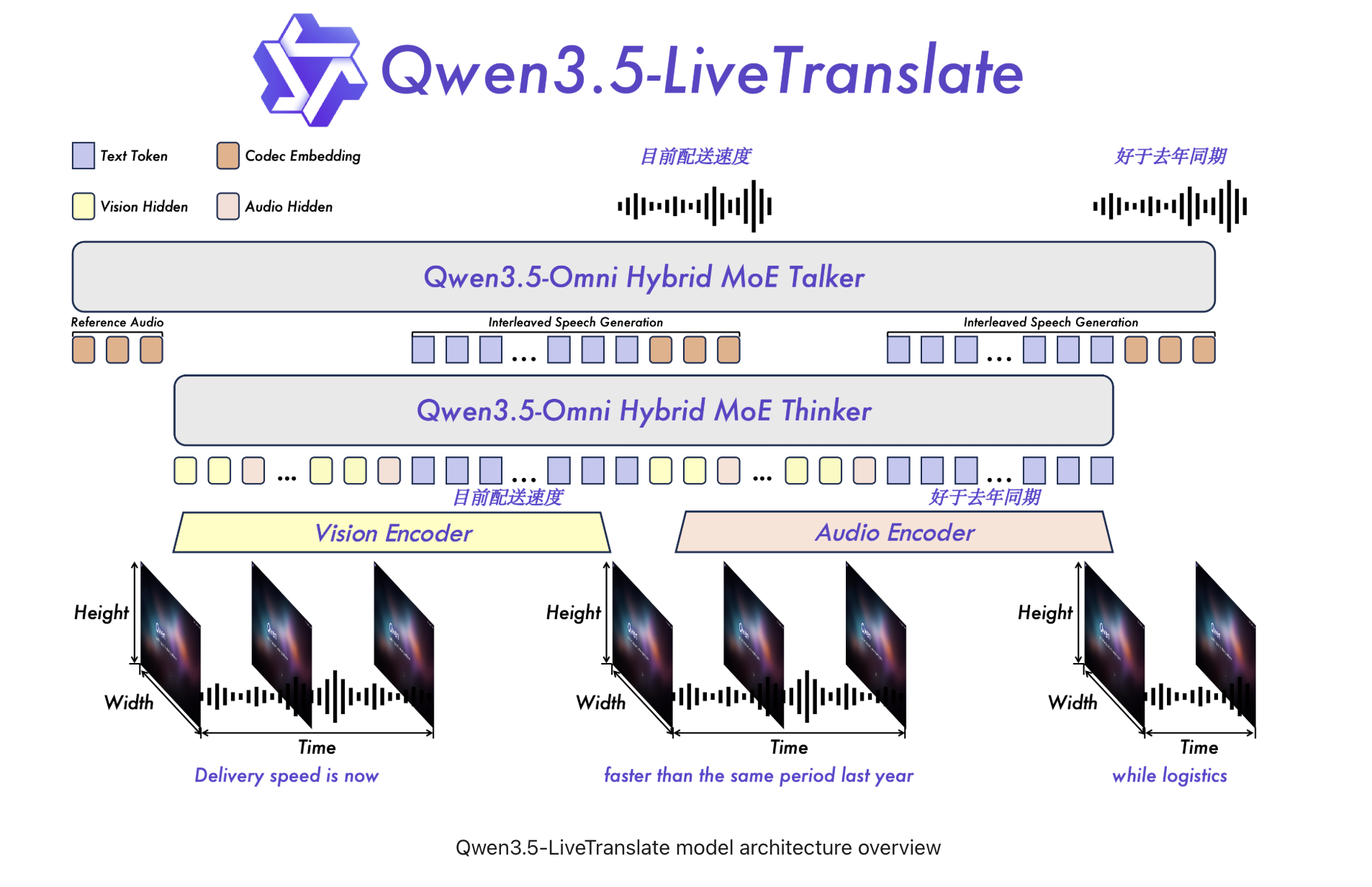
Every millisecond matters in simultaneous interpretation. The previous generation, Qwen3-LiveTranslate-Flash, operated at roughly 3 seconds of delay. Qwen3.5 shaves off 200 milliseconds, bringing the total to just 2.8 seconds. This improvement might seem modest, but in real-time communication, that fraction of a second can mean the difference between a natural interaction and an awkward pause. The secret lies in smarter processing of what the team calls 'reading units.' Instead of waiting for a complete sentence, the model begins translating as soon as enough meaning is accumulated. This streaming approach allows the output to flow continuously while the speaker is still talking, preserving the rhythm of conversation.
2. Expanded Language Coverage: From 18 to 60 Input Languages
Language diversity is critical for global enterprises. Qwen3-LiveTranslate-Flash handled 18 input languages; Qwen3.5 more than triples that to 60. This expansion reduces the need for per-language model switching in most business scenarios. Developers building multilingual products can now serve a wider audience with a single model. Additionally, the system provides speech output in 29 languages, ensuring that translated audio sounds natural and accessible. Whether you're hosting a multinational conference or running a customer support center, the broader language support simplifies deployment and improves user experience.
3. Vision Becomes a First-Class Input Channel
Most translation systems rely solely on audio, which works well in controlled environments but fails in noisy settings like crowded conference rooms or trade floors. Qwen3.5-LiveTranslate-Flash changes the game by integrating vision as a parallel input. It analyzes on-screen text, physical objects, lip movements, and gestures alongside the audio stream. When a word is acoustically ambiguous or the audio degrades, visual context fills the gaps and sharpens translation accuracy. This multimodal approach makes the model far more robust in real-world conditions, where noise is the norm, not the exception. It's a practical upgrade that addresses a long-standing weakness in audio-only systems.
4. Real-Time Voice Cloning Without Pre-Enrollment
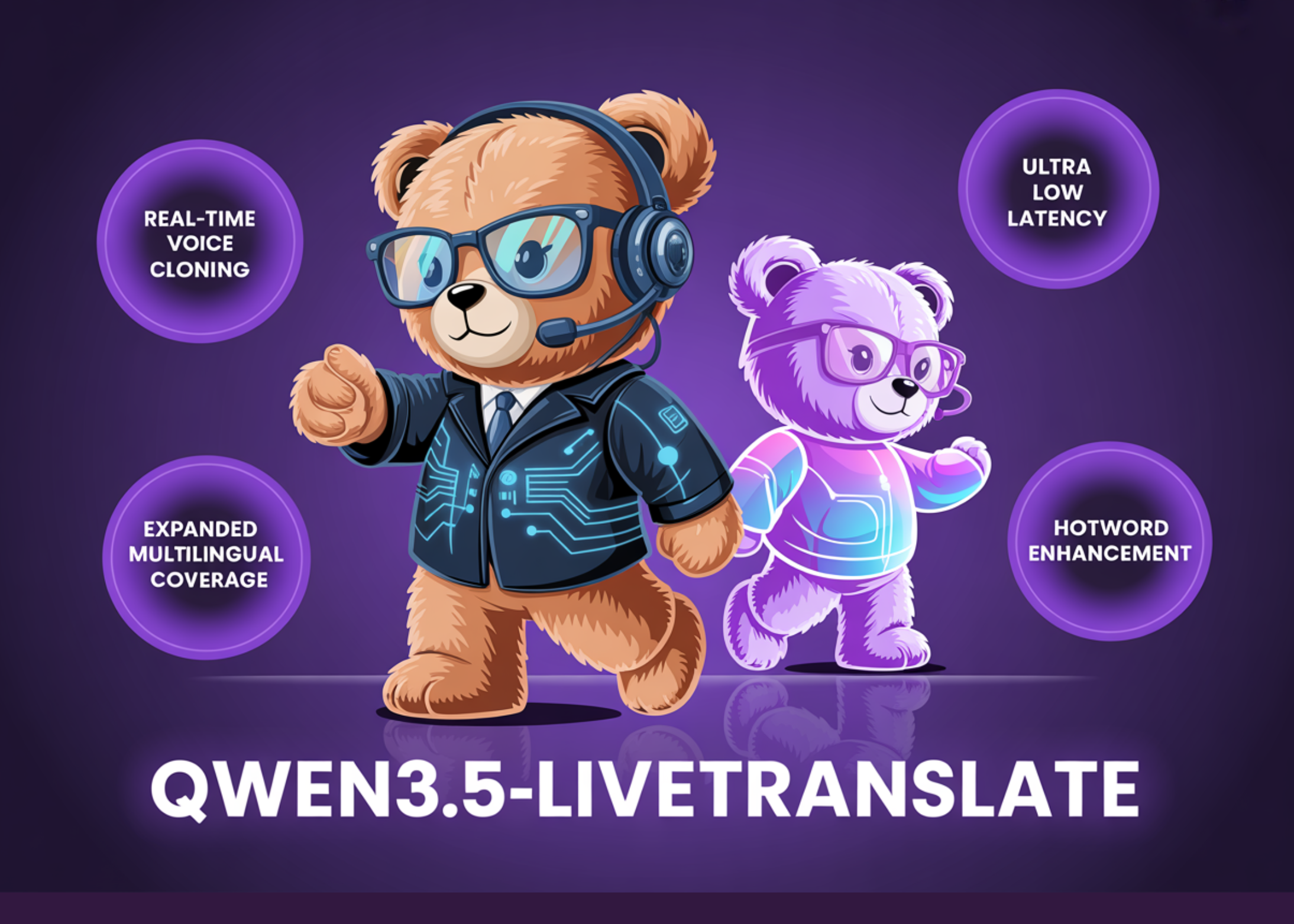
This is perhaps the most striking feature. Traditional translation systems replace the speaker's voice with a generic synthetic voice, breaking the personal feel of communication. Qwen3.5-LiveTranslate-Flash clones the speaker's characteristic voice features in real time, using just a single spoken sentence for acoustic adaptation. The translated output sounds like the original speaker fluently delivering the target language, not a robotic substitute. For live conference interpretation, multilingual livestreams, or international customer calls, this creates a more natural and engaging experience. Listeners feel as though they're hearing the actual person, preserving tone, emotion, and identity.
5. Streaming Output for Continuous Translations
The model's streaming capability is tightly linked to its low latency. By processing reading units—segments of speech that carry enough meaning to warrant translation—the system outputs translated text (and speech) as soon as possible, without waiting for sentence boundaries. This avoids the 'dead air' problem common with batch translation systems. In practice, this means listeners get almost immediate translations, making conversations flow naturally. Developers can integrate this streaming behavior via the API, enabling real-time applications like live captioning, voice chat, and simultaneous interpretation at scale.
6. Practical Applications Across Global Enterprises
The combination of low latency, broad language support, vision input, and voice cloning opens up numerous real-world use cases. Multinational companies can deploy Qwen3.5 for live meeting interpretation, reducing the need for human interpreters. E-learning platforms can offer real-time subtitles and voiceovers in dozens of languages. Call centers can interpret customer calls without losing the speaker's natural voice. The model also supports noisy environments thanks to its vision channel, making it suitable for trade shows, factory floors, or outdoor events. By unifying these capabilities in a single model, Alibaba provides a versatile tool that scales from small teams to global enterprises.
Alibaba's Qwen3.5-LiveTranslate-Flash is not just an incremental update—it's a fundamental rethinking of how AI handles real-time interpretation. By integrating vision, cutting latency, and preserving speaker identity, the model solves problems that have long plagued simultaneous translation systems. For developers and businesses aiming to bridge language gaps in real-time conversations, this release offers a powerful, all-in-one solution. The future of multilingual communication is here, and it's faster, smarter, and more human than ever.