Microsoft Opens a Historic Chapter: 86-DOS Source Code Released 45 Years Later
In the annals of personal computing history, few events carry as much weight as the birth of the operating system that powered the IBM PC and its clones. Now, 45 years after its initial creation, Microsoft has peeled back the curtain on the earliest known source code of that seminal piece of software—86-DOS, the direct ancestor of MS-DOS. On April 28, 2025, the company made the code publicly available under the permissive MIT license on GitHub, allowing developers, historians, and retro-computing enthusiasts to examine the very foundation of modern desktop computing.
The Origins of DOS: From QDOS to 86-DOS
In 1980, the personal computer landscape was dominated by CP/M, an operating system written for older 8-bit processors. When Intel released its groundbreaking 16-bit 8086 chip, a gap emerged: CP/M had no support for the new architecture. Tim Paterson, a young programmer at Seattle Computer Products, saw an opportunity. In just a few months, he wrote a minimal operating system he cheekily called QDOS—short for Quick and Dirty Operating System—which later became known as 86-DOS. Paterson deliberately modeled its API after CP/M so that existing software could be easily ported to the new platform.
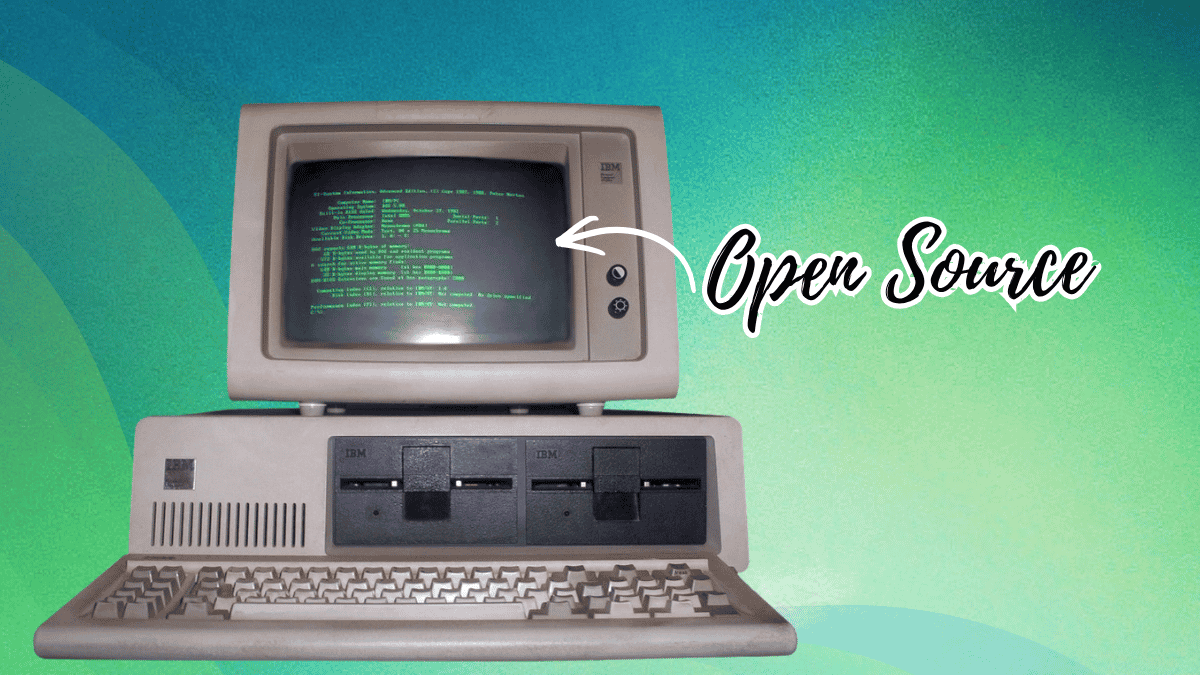
The Acquisition That Changed Computing
Microsoft, then a small software company focused on BASIC interpreters, recognized the potential of 86-DOS. In 1981, the company purchased the rights to the operating system for just under $100,000. This turned out to be one of the most pivotal deals in technology history. Microsoft quickly adapted 86-DOS to run on IBM's forthcoming personal computer, shipping it as PC DOS 1.0 in August 1981. Crucially, Microsoft retained the right to sell the same operating system to other manufacturers—a version that became MS-DOS. That single contract set Microsoft on a path to dominate the operating system market for the next two decades.
The Discovery and Restoration of a Digital Relic
Unlike modern software projects with tidy version-control repositories, the earliest DOS source code existed only as physical artifacts. Tim Paterson had kept assembler printouts and stacks of continuous-feed paper from 1981—a fragile, aging record of the code that launched a revolution. Restoring this digital history required dedicated effort from two historians: Yufeng Gao and Rich Cini. They located, scanned, and meticulously transcribed the DOS-related portions into compilable assembly code. This painstaking work now allows anyone to build the original 86-DOS kernel from source.
What's in the Repository?
The GitHub repository includes more than just the flagship kernel. Here's what developers and historians can explore:
- The complete 86-DOS 1.00 kernel—the earliest known version of the operating system.
- Several development snapshots of the PC-DOS 1.00 kernel, showing how the code evolved during the IBM collaboration.
- Classic utilities such as CHKDSK, the disk-checking tool that remains a staple of modern Windows systems.
- The ASM assembler that Paterson used to write the OS itself—an essential piece of the historical puzzle.
All of this code is licensed under the MIT license, meaning it can be freely used, modified, and shared.

Who Should Explore This Treasure Trove?
While casual users may not find immediate practical use, the release is a goldmine for several communities:
- Retro-computing enthusiasts who want to run early DOS software on emulators or original hardware.
- Systems programmers curious about the low-level architecture of 16-bit x86 systems.
- Computer historians seeking to understand the origins of the IBM-compatible ecosystem.
- Educators who want to demonstrate how operating systems were built before modern abstractions.
To compile the source, you'll need a copy of the Seattle Computer Products ASM assembler, which can be extracted from any 86-DOS or early MS-DOS release. The repository's README provides clear steps to get started.
A Pattern of Open-Sourcing History
Microsoft's decision to open-source vintage code is no longer a surprise. Over the past few years, the company has released several classic software projects under permissive licenses:
- MS-DOS 1.25 and 2.0 (2018)
- MS-DOS 4.0 (2024)
- 6502 BASIC (September 2025)
This latest release—86-DOS 1.00—completes the picture, giving the world the earliest ancestor of the operating system that launched an era. For anyone fascinated by the genesis of personal computing, these lines of assembly code are as close as we can get to seeing history being written.