Military Space Defense and Lunar Ambitions: This Week in Rocketry
Introduction: A Dynamic Week in Spaceflight
The world of rocketry and space exploration never sleeps, and this week brings a mix of quiet preparation and bold new initiatives. While SpaceX’s Starship, the most powerful rocket ever built, had a relatively subdued week as it gears up for its next test flight—possibly in May—other players are making headlines. Blue Origin is preparing for its first attempt to land the Blue Moon cargo lander on the lunar surface within the next few months. The outcomes of these missions will provide critical insights into NASA’s goal of returning astronauts to the Moon by 2028. Meanwhile, the U.S. Space Force has taken a major step in planetary defense by selecting a dozen companies to develop Space-Based Interceptors (SBIs) for the Pentagon’s Golden Dome initiative.
Starship and Blue Moon: Paving the Way for Lunar Exploration
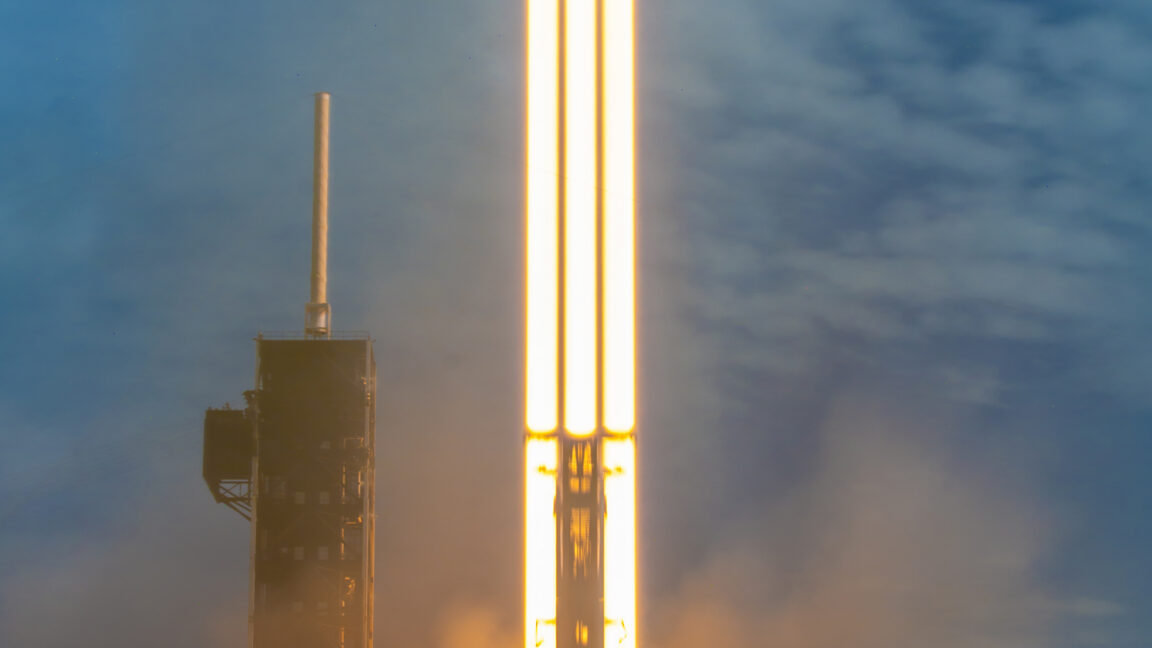
SpaceX’s Starship program is currently in a phase of detailed analysis and preparation. Engineers are poring over data from previous flights and making final checks for the next uncrewed test. The company aims to launch as early as May, though no official date has been set. Success in that flight—particularly in reusability and orbital capabilities—will be a pivotal milestone for SpaceX and for NASA’s Artemis program, which plans to use a modified Starship as the Human Landing System (HLS) for the first crewed Moon landing since 1972.
On the other side of the commercial space frontier, Blue Origin is readying its Blue Moon cargo lander for a maiden voyage to the lunar surface. This mission, which could launch within the coming months, will be the company’s first attempt to softly touch down on another world. The lander is designed to deliver science payloads and equipment for NASA and other customers. A successful landing would not only validate Blue Origin’s technology but also build confidence in the agency’s broader lunar timeline. As both SpaceX and Blue Origin push forward, the space community is watching closely: the actual performance of these vehicles over the next year will tell us a great deal about whether NASA’s ambitious 2028 target for a crewed landing is realistic.
Golden Dome: A Dozen Companies to Develop Space-Based Interceptors
Overview of the Golden Dome Initiative
The U.S. Space Force has released a list of 12 companies that will contribute to the Golden Dome project, a multi-layered defense system designed to protect American territory from a wide array of threats—including drones, ballistic missiles, hypersonic weapons, and cruise missiles. The centerpiece of this initiative is the development of Space-Based Interceptors (SBIs), which would orbit the Earth and be capable of neutralizing hostile projectiles in flight. This groundbreaking approach moves missile defense from ground-based systems into the space domain.
The Selected Companies and Their Roles
The roster of contractors, announced on April 24, brings together traditional defense giants and innovative newcomers. The companies and their expected focus areas include:
- Anduril Industries – advanced autonomy and AI-driven threat detection
- Booz Allen Hamilton – systems integration and cybersecurity
- General Dynamics Mission Systems – secure communications and sensor networks
- GITAI USA – in-space robotics for interceptor maintenance
- Lockheed Martin – interceptor spacecraft design and manufacturing
- Northrop Grumman – battle management and command & control
- Quindar – on-orbit data processing and analytics
- Raytheon – seeker and kill-vehicle technologies
- Sci-Tec – targeting algorithms and simulations
- SpaceX – launch services and potential interceptor bus platforms
- True Anomaly – space domain awareness and rendezvous expertise
- Turion Space – small satellite architectures for distributed interceptors
The collective agreements have a maximum combined value of $3.2 billion. Initially, the companies will develop and deliver prototypes for ground and on-orbit testing. Full-scale production contracts will follow later, with a significantly higher price tag. This program represents a major shift in how the Pentagon envisions future missile defense—moving from a purely terrestrial network to a space-based shield.
Implications for National Security and Space Policy
By engaging a diverse set of contractors, the Space Force is fostering competition and innovation. The inclusion of SpaceX, a company primarily known for commercial launch and satellite internet, underscores the growing overlap between commercial space activities and national security needs. The Golden Dome interceptors will need to be reliable, fast-reacting, and able to operate in the harsh environment of low Earth orbit. If successful, this constellation could render older ballistic missile threats obsolete, while also raising questions about space weaponization and international treaties.
Looking Ahead: Key Launches in the Pipeline
As always, the rocket calendar is busy. In the next few weeks, expect missions ranging from smallsat rideshares to heavy-lift classified payloads. The industry’s momentum shows no signs of slowing, and each launch brings new data, new challenges, and new opportunities. Whether it’s Starship’s next big hop, Blue Origin’s lunar touchdown, or the first SBI prototypes taking shape on factory floors, the pace of change in rocketry and space defense is breathtaking.
This article is adapted from the Rocket Report newsletter. To stay informed on the latest developments, consider subscribing to regular updates on small-, medium-, and heavy-lift vehicles, as well as upcoming launch schedules.