10 Key Insights Into How a Single Protein Could Revolutionize Alzheimer’s Treatment
Alzheimer’s disease remains one of the most challenging conditions to treat, but a remarkable new discovery offers hope. Researchers have found that by boosting a protein called Sox9, they can empower the brain’s own support cells — astrocytes — to clean up the toxic plaques that characterize this disease. In mouse models, this approach not only reduced plaque buildup but also preserved cognitive function. Here are ten crucial things you need to know about this groundbreaking research.
1. The Alzheimer’s Plaque Problem
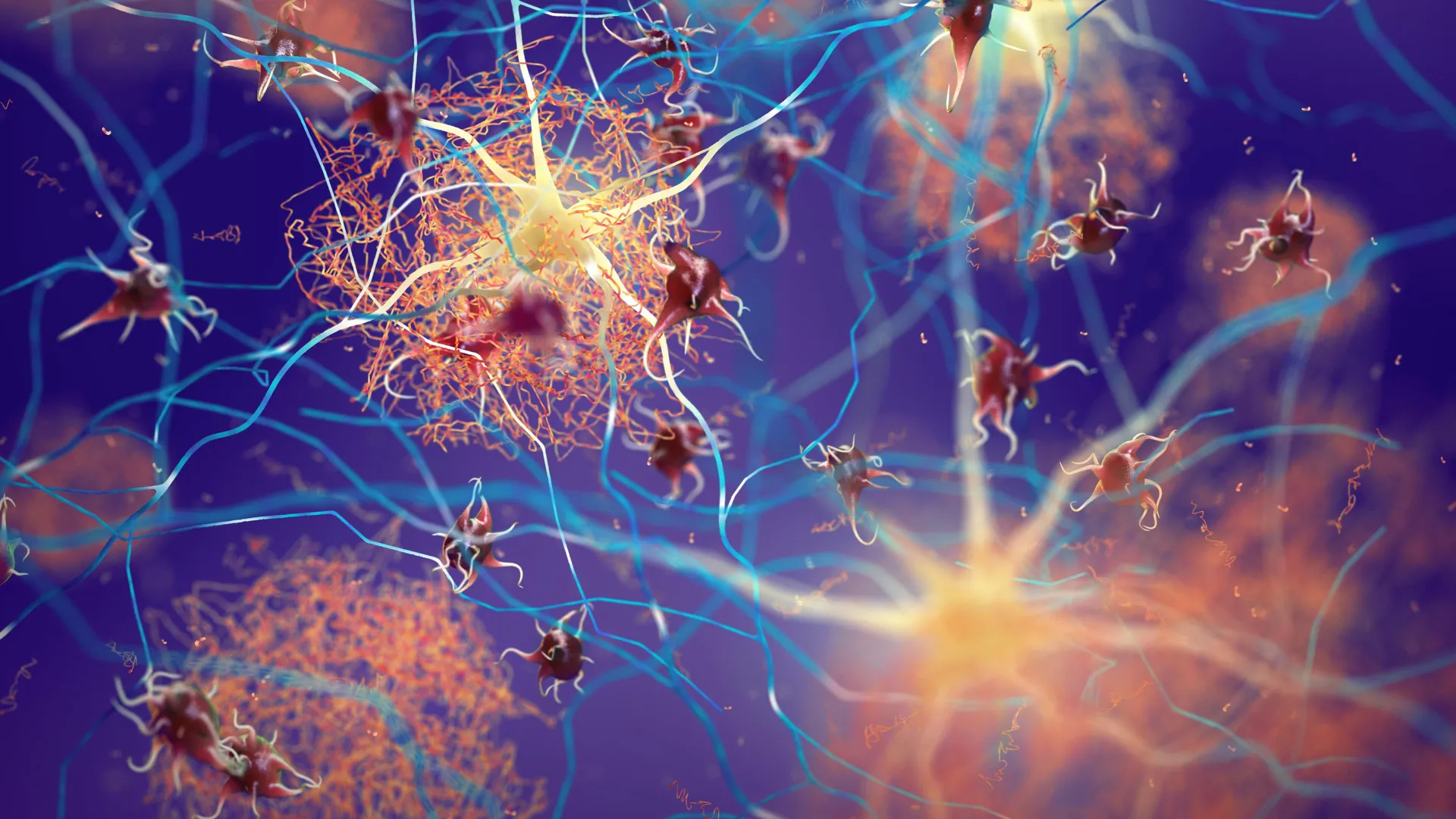
Alzheimer’s disease is marked by the accumulation of sticky beta-amyloid plaques between neurons. These clusters disrupt cell communication and trigger inflammation, eventually leading to memory loss and cognitive decline. For years, scientists have sought ways to clear these plaques, but many therapies have shown limited success. Understanding why plaques form and persist is the first step toward developing effective treatments.
2. Astrocytes: The Brain’s Unsung Cleaners
Astrocytes are star-shaped glial cells that play multiple maintenance roles in the brain, including clearing debris, regulating blood flow, and supporting synaptic function. However, in Alzheimer’s disease, astrocytes often become dysfunctional — they either fail to remove plaques or become overactivated and cause harm. This discovery focuses on restoring their natural cleaning abilities rather than suppressing them.
3. Introducing the Master Regulator: Sox9
Sox9 is a transcription factor, a protein that helps turn specific genes on or off. It is known for its role in development and cell identity, but its potential in adult brain health has been underexplored. The new study reveals that increasing Sox9 levels specifically in astrocytes can reprogram these cells to become more efficient at plaque removal, offering a novel target for Alzheimer’s therapy.
4. How Sox9 Boosts Astrocyte Activity
When Sox9 is elevated, astrocytes ramp up the production of enzymes and other molecules that break down beta-amyloid. They also become more mobile, migrating to areas with high plaque density. This activation is controlled and does not lead to harmful inflammation, a common side effect of other approaches. The molecular pathway is complex, but the net effect is a brain that cleans itself more effectively.
5. The Mouse Model Breakthrough
Scientists tested this approach in genetically modified mice that develop Alzheimer’s-like symptoms, including memory deficits and plaque accumulation. They used a viral vector to deliver extra Sox9 specifically to astrocytes in the hippocampus, a region critical for memory. The intervention began after the mice already showed cognitive decline, mimicking a realistic late-stage treatment scenario.
6. Key Finding: Plaque Reduction
After treatment, the mice exhibited a significant reduction in beta-amyloid plaques — up to 40% less in some brain regions. Microscopic analysis showed that astrocytes were actively engulfing and digesting the plaques, with no signs of toxicity. This direct evidence confirms that boosting Sox9 can indeed trigger a robust cleanup process.
7. Preserving Cognitive Function
More importantly, the treated mice performed better on memory tasks, such as navigating mazes and recognizing objects. Their cognitive function remained stable, while untreated mice continued to decline. This suggests that clearing plaques by activating astrocytes can protect neurons from damage and maintain brain function even after symptoms have emerged.
8. Implications for Human Treatment
While mouse studies don’t always translate directly to humans, the conserved nature of Sox9 and astrocytes across species offers strong promise. Current Alzheimer’s therapies mainly manage symptoms or target immune cells, not astrocyte pathways. This discovery opens a new front in the fight, potentially leading to drugs or gene therapies that safely boost Sox9 in patients.
9. Challenges and Next Steps
Several hurdles remain. Researchers must determine the optimal Sox9 level — too much could disrupt normal astrocyte functions. They also need to develop delivery methods that reach the brain without causing side effects. Clinical trials are years away, but the team is already exploring small molecules that could mimic Sox9’s effects, accelerating the path to human testing.
10. Why This Discovery Matters
Alzheimer’s affects millions worldwide, and existing treatments offer limited benefit. Harnessing the brain’s own repair mechanisms through a single protein represents a paradigm shift — it is both precise and natural. If successful, this approach could lead to therapies that not only slow the disease but potentially reverse damage, offering renewed hope to patients and families.
The discovery that boosting Sox9 can help the brain fight Alzheimer’s is a powerful reminder of the untapped potential within our own cells. While more research is needed, this study lights a path toward treatments that work with the brain, not against it. As scientists continue to unlock the secrets of astrocytes and Sox9, the dream of defeating Alzheimer’s moves one step closer to reality.